Vans, Kettles and Word of Mouth: The People Who Keep Chenies Going
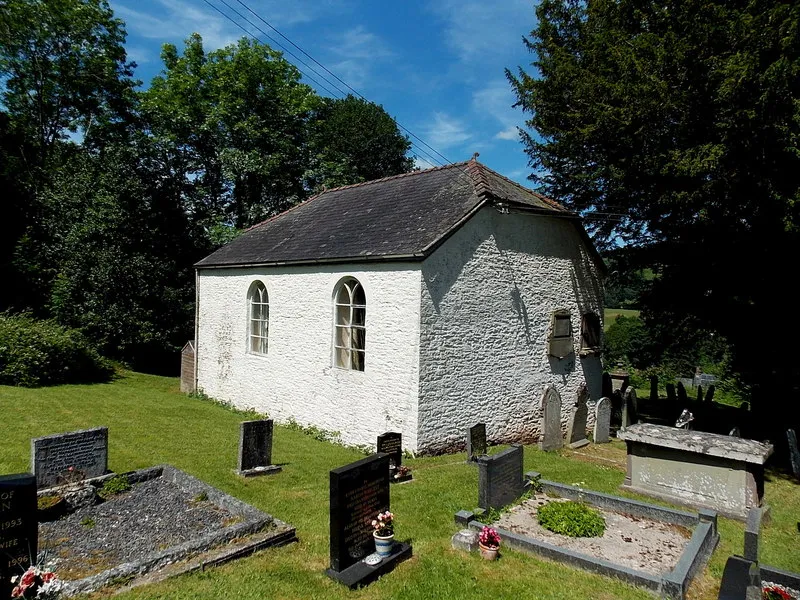
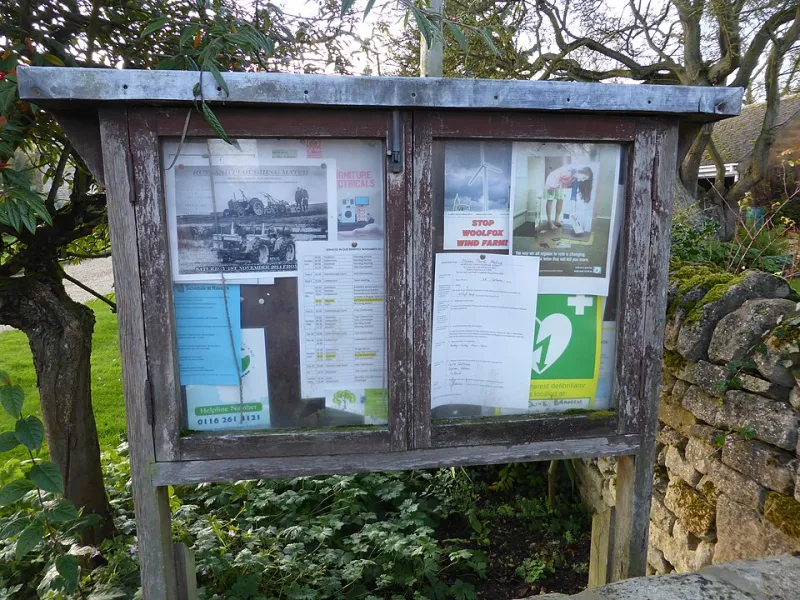
On a damp Tuesday in November 2026, Chenies looks as though it maintains itself. The green is tidy, the churchyard wall is doing its job, and the village hall noticeboard is neatly pinned. Then a white van reverses carefully past the war memorial and a man in a fleece carries a toolbox through a side door. The illusion lasts about thirty seconds. Villages like this are not self-cleaning. They are kept going by people who know which gate sticks, which socket trips and which chimney has been quietly smoking for forty years.
I spent a morning moving between jobs with four of them: a joiner, a gardener, an electrician and a chimney sweep. Not a formal committee, not a parish meeting, just the loose, practical network that keeps Chenies habitable. You notice it most when something breaks. You notice it least when everything works.
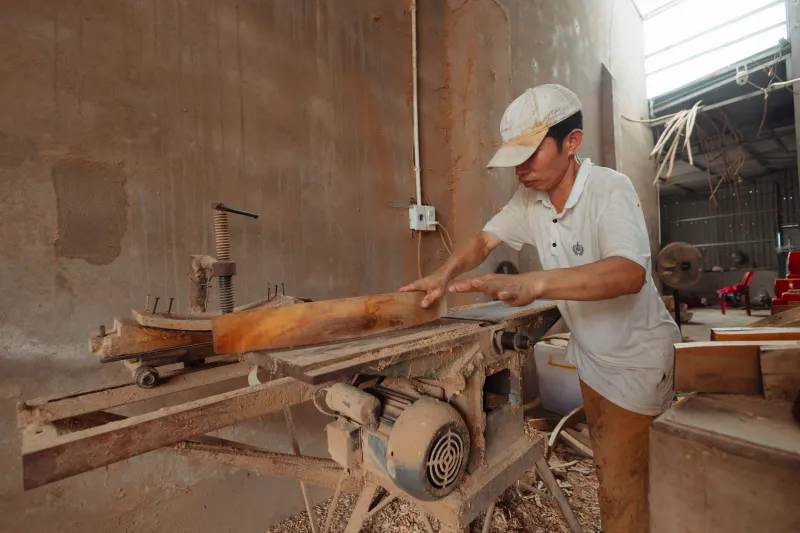
The joiner: measuring twice in a place that notices
Richard is fitting a replacement section to a village hall door frame when I catch up with him. The hall is booked solid, as ever, so the work has to happen between a toddler group and an evening talk. He has done jobs in Chenies for years, mostly small ones: a sash window here, a gate that has dropped, a cupboard door that never closed properly after a leak.
'In a village, people see your work every day,' he says, running a thumb along a joint. 'You cannot hide a rushed job behind a hedge.'
That is the local hiring market in one sentence. Recommendations travel fast, but so do mistakes. Most of Richard's work comes through people who have seen a neighbour's shelf or a repaired porch and asked who did it. He rarely advertises. When he does take on a new customer, the first conversation often happens on a doorstep with a mug of tea and a vague description of the problem. 'It is usually less dramatic than people fear,' he says. 'And more expensive than they hoped. That is the honest version.'
The gardener: reading the valley, not the manual
By mid-morning I find Priya emptying a wheelbarrow of wet leaves near a garden gate. She looks after several plots in and around the village, from small cottage gardens to larger grounds where the Chess Valley weather decides the schedule. In November, her work is pruning, clearing, protecting and quietly putting things to bed.
'Chenies gardens are not uniform,' she says. 'You get sheltered spots and then you get the wind coming off the valley like it has a grudge.'
Hiring a gardener locally, she tells me, is less about a glossy website and more about a conversation about how you actually use the space. Does the lawn need to be a lawn, or would a path and some fruit trees suit you better? Are you away for weeks at a time? Do you want to cut flowers or just fewer weeds? The answers change the job entirely. She also confirms a quiet truth about village trades: the calendar matters. Good people are booked. If you want work done before Christmas, you should have asked in September. If you want it done properly, you might wait until spring anyway.
The electrician: small jobs, old wiring, trust
Tom arrives at a cottage near the green with a tester and a look of patient suspicion. Old buildings are full of surprises, and Chenies has more than its share of thick walls, awkward corners and wiring that has been extended by several generations of optimistic owners. Today it is a socket that has stopped working in a room where a plug-in heater has been earning its keep.
'People think village electricians spend all day rewiring manor houses,' he says. 'Mostly it is small faults, testing, odd jobs and telling someone that the thing they want to do is possible but will cost more than they think.'
His diary is a map of local trust. He does work for the village hall, for a couple of churches, for landlords and for homeowners who have been passed his number by a neighbour. Being local does not mean being cheap. It means being answerable. 'If I do a bad job in Chenies, I will see it every time I go to the shop,' he says. That is not a threat, just geography.
The chimney sweep: soot, conversation and a useful calendar
My last stop is a sweep, Graham, who is working his way through a cluster of older houses before the winter properly sets in. He lays dust sheets, checks the flue and talks about the difference between a chimney that is merely old and one that is unsafe. Sweeps are, in their way, the village's unofficial inspectors of roofs, vents and habits. They see the blocked flue before the fire is lit, and they notice the bird's nest before it becomes a problem.
He books repeat customers a year ahead. Many of them are in Chenies; some are in the smaller lanes around it. His van is a mobile appointment book, and his arrival prompts the kind of doorstep conversation that reveals more about a village than any welcome pack. 'You learn who is new, who is unwell, who has a dog that hates the hoover,' he says. 'It is not gossip. It is just knowing the place.'
How the network actually works
None of this is organised by a strategy document. It runs on noticeboards, text messages, the village hall, the church, the pub and the simple habit of asking someone at the school gate or the shop. The network is not closed, but it is personal. A new resident can plug into it by asking a direct question: who fitted your gate, who cuts your hedge, who sorted that damp patch? Most people will answer honestly, including the caveats.
It also has limits. Not every trade is based in the village itself; some come from Amersham, Little Chalfont or further down the Chiltern line. The point is not that Chenies is self-sufficient. It is that the people doing the work know the buildings, the lanes and the expectations. They turn up when they say they will, or they ring to explain why they cannot. In a small place, that reliability is the whole product.
What a doorstep conversation tells you
By lunchtime the van has gone, the leaves are in a heap and the socket is working again. Nothing dramatic has happened. That is the story of village maintenance: a hundred small corrections, most of them invisible by the time you arrive.
For a visitor, the lesson is gentle. If you want to understand Chenies, do not only look at the manor, the church and the green. Listen for the drill, the ladder and the kettle. The quiet trades are not a tourist attraction, and they would probably rather you did not call them one. But they are one of the best ways into the place: practical, unglamorous and deeply local. Village life is not maintained by magic. It is maintained by people who know where the stopcock is.