Booked Solid, Mostly: Inside the Diary of Chenies Village Hall
The door of Chenies Village Hall has a closer on it that takes you by surprise. Push it too gently and it shuts in your face; push it properly and it swings wide with a clatter that announces you to the entire room. On a Tuesday morning in November, the room it announces you to is full of buggies, biscuit crumbs and the specific din of fourteen under-fives who have just been told that singing is nearly upon them.
This is the hall’s most dependable hour. It is also, according to the people who hold the keys, the one that best explains why the place is still standing.
The diary knows first
Margaret has looked after the bookings diary for eleven years, and she keeps it the way some people keep an allotment — patiently, weekly, and with a certain amount of sighing. The master copy is a spreadsheet, colour-coded by hirer: blue for the regulars, green for one-offs, amber for anything involving a bouncy castle. There is also a paper version pinned inside a cupboard, because the broadband in the village is not what you would call obedient.
A normal week reads like a small town’s entire social history compressed into seven evenings. Monday belongs to the parish council, who meet in the smaller room and apologise for the chairs. Tuesday is toddlers. Wednesday brings a pilates class whose members arrive in the dark and leave in the dark for much of the winter. Thursday rotates between the WI, a history society and a book group that has been on the same novel since September. Friday and Saturday are private hires — birthdays mostly, the occasional anniversary, a christening tea. Sunday is either empty or completely full, with no middle ground whatsoever.
“You can tell how the village is doing by what’s in the diary,” Margaret says. “When things are quiet, it’s funerals and not much else. When things are good, it’s children’s parties and jumble sales and somebody asking if they can borrow the trestle tables again.”
What it actually costs to open the door
The hall is not a business, but it is not free either. There is a treasurer, a caretaker, a booking secretary and a small committee, and between them they carry the sort of paperwork that would make a pub landlord wince. Insurance. PAT testing on the urn and the fridge. Fire extinguisher servicing. A boiler that is older than some of the people hiring the room.
The rate card is deliberately gentle: an hourly rate for local residents, a slightly higher one for commercial hirers, and a discount for anything charitable. Even so, the numbers have crept up. Energy costs since 2022 have never really come back down, and the committee took the decision in 2026 to nudge the hourly rate rather than watch the reserve fund thin out. Nobody enjoys that conversation. It happens in the small room, with the chairs that everybody apologises for.
“We’re not trying to make a profit,” says the treasurer, Ruth, who took on the role because nobody else would and has now been doing it for six years. “We’re trying to make sure there’s still a hall here in ten years’ time. That’s the whole job.”
The lean months and the loud ones
January is a ghost. The diary is full of pencil marks that get rubbed out — a party postponed, a class that never restarts, a quiz night that quietly evaporates. February picks up a little. By March the jumble sale arrives and the hall fills with pasting tables, bin bags and the smell of other people’s wardrobes.
Summer is steady but strange: the regulars drift away, and the room is taken over by christening teas, keep-fit groups that meet outdoors instead, and the occasional wedding reception that has outgrown somebody’s garden. Autumn is the real season. Everything restarts at once, the diary tightens, and the calendar develops the slightly frantic look of a school timetable in September.
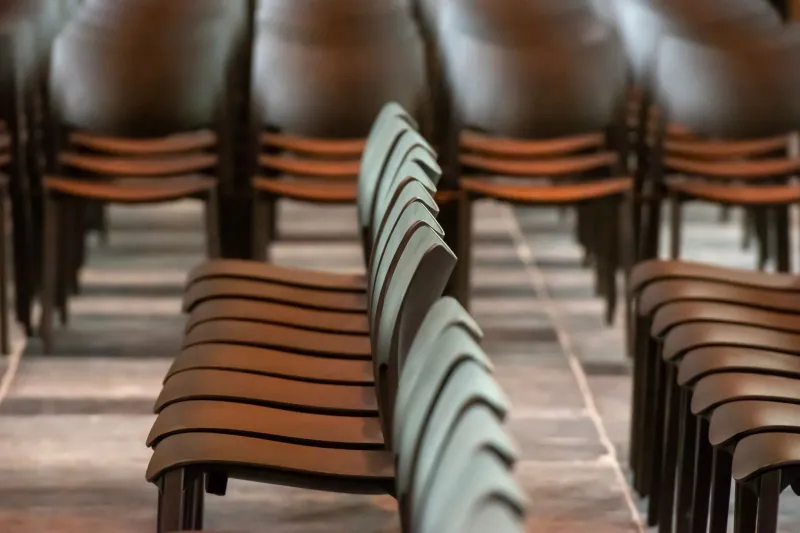
Then comes December, which is a different building altogether. The Christmas do, the children’s nativity rehearsal, the mulled-wine evening, the lunch club’s turkey spread. For about three weeks the hall is booked every night and the caretaker, Colin, is there more than he is at home. “I don’t mind December,” he says, stacking chairs with the practised efficiency of a man who has stacked a great many chairs. “It’s January I mind. You can hear the dust settling.”
What one room can and can’t do
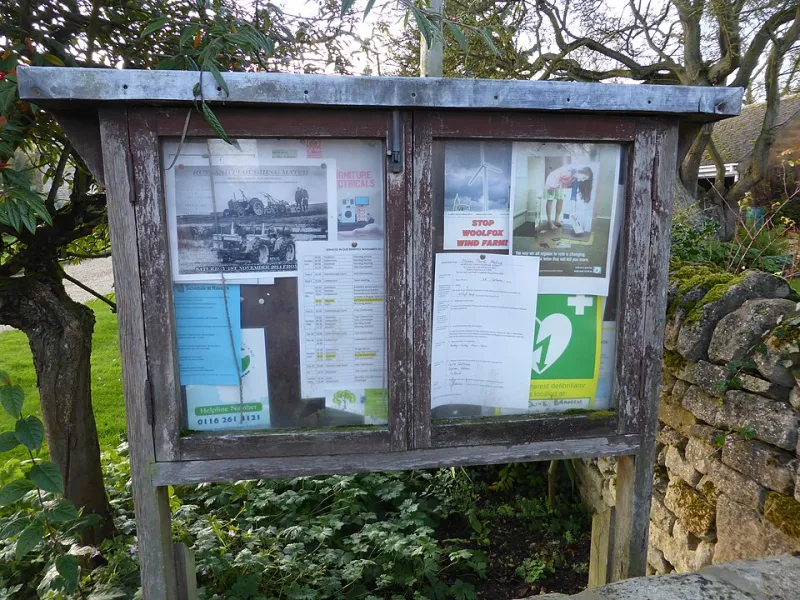
The struggles are not dramatic, which is precisely why they matter. The committee would like better broadband. It would like a car park that doesn’t require a reverse of genuine skill. It would like more people under fifty on the committee, and it knows perfectly well that everyone says that. It would like the roof to hold until the next grant comes through. There is a defibrillator by the door now, and a small sign explaining how to use it, and everyone hopes it stays decorative.
But the successes are quieter and more persuasive. The toddler morning is a lifeline for parents who would otherwise see nobody all week. The lunch club is the only hot meal some regulars eat in company. The parish meeting is the one evening a year when the village argues about parking in the same room rather than on the internet. The hall is the only neutral ground Chenies has — not the pub, not the church, not anybody’s front room — and neutral ground turns out to be a surprisingly rare commodity in rural Buckinghamshire.
Last one out
At ten past nine on a Tuesday, the last buggy is folded, the last biscuit is swept up and Colin does his rounds: lights, urn, windows, the door with the stubborn closer. The diary for tomorrow says pilates, 6.30pm, fourteen people. The diary for Saturday says a birthday party and a note in amber that reads, simply, “bouncy castle — check ceiling height.”
It is not glamorous, and it is not meant to be. It is a room with a job to do, and a group of people quietly making sure it can keep doing it. If you want to understand how Chenies works — not how it looks in photographs, but how it actually holds together — you could do worse than ask to see the spreadsheet.