Roast, Room and Regulars: A Chenies Pub Lunch Put to Six Honest Tests

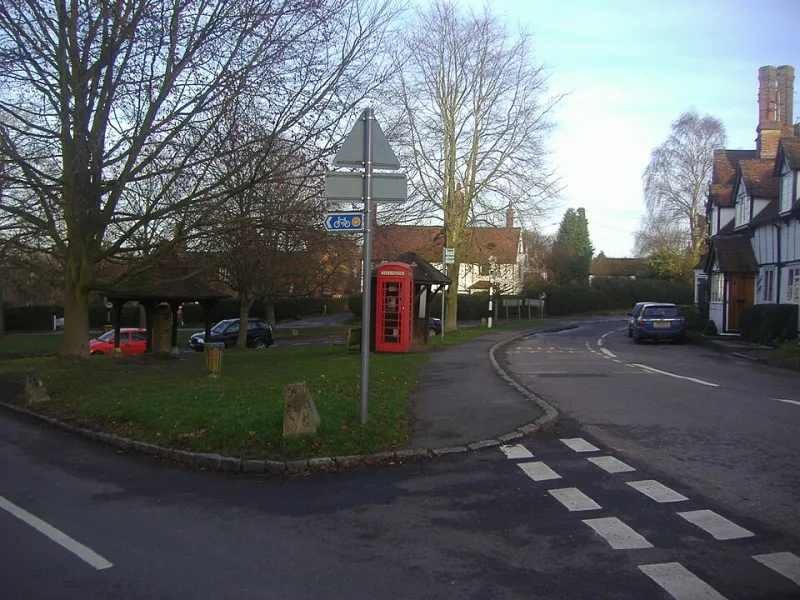
Photo: Windmemories, CC BY-SA 4.0, via Wikimedia Commons
Sunday lunch at a village pub is an exam nobody announces. There is no marker, no rubric, no feedback card tucked behind the salt. And yet everyone in the room is quietly scoring: the couple who walked down from the hill, the family who booked three weeks ago, the man with the paper who has been coming since before the current landlord's time. I spent one long Sunday at the Bedford Arms in Chenies doing exactly that, and came away with a sharper sense of what Buckinghamshire's village pubs get right in 2026 — and the few things they still get wrong.
This is not a hatchet job. The Bedford Arms is a handsome, low-beamed sort of place, and it does the thing that matters most: it feels like a pub first and a restaurant second. But affection and honesty can share a table, so here is the plate, the room and the regulars, judged as fairly as I can manage.
The Case for Judging a Pub by Its Sunday Plate
Anyone can pour a decent pint on a quiet Tuesday. Sunday is the stress test. It is the day a pub has to feed people who have driven twenty minutes, walked two miles, or simply shuffled down the lane in their good coat, and it has to do it all at the same time, on one menu, with a kitchen that is probably one pair of hands short.
That is why the roast is such a useful lens. It cannot be bluffed. Meat, potatoes, gravy and a Yorkshire are four separate chances to be careless, and the plate in front of you will tell you which of them the kitchen has stopped thinking about.
First Impressions: The Room and the Register
We arrived at ten past one, which is the exact minute a village pub either absorbs its bookings gracefully or begins to look like a train that has been cancelled. Here, the absorption was decent. There is a good noise in the room — not the flat roar of a chain dining room, but the uneven clatter of people who know each other's names and are catching up on the week.
The beams are low. There is a fire doing what fires do. Somewhere near the bar, a dog was asleep in the way only a dog who has been walked twice already can be. All of that counts for something, and I have marked it accordingly, because atmosphere is not decoration — it is the reason village pubs still exist when a supermarket meal deal does the same job for a fiver.
The Plate Itself
Here is my honest verdict: the cooking is better than the room's reputation suggests and slightly less consistent than its prices demand.
The meat was properly done — carved with a bit of give rather than shaved into submission — and the gravy had clearly been made in a pan and not a jug. Roast potatoes had crunch where it mattered, though two of them had given up by the time they reached us. The vegetables were the weakest note: fine, correct, entirely forgettable, the sort of thing that gets put on a plate because the plate expects it rather than because anyone in the kitchen is excited about it.
And this is the wider argument. Village pubs across the county have largely solved the meat-and-gravy problem. What they have not solved is the vegetable problem, the pudding problem, and the timing problem — the three quiet areas where a good lunch becomes a memorable one.
The Walk-In Trade
Watch a pub's front door for an hour and you learn more than a menu tells you. At the Bedford Arms, the walk-ins were handled with real grace: two couples with a muddy spaniel squeezed in near the bar, a cyclist who only wanted a pint and got it without a lecture, a late table from the village who were greeted like the furniture they probably are.
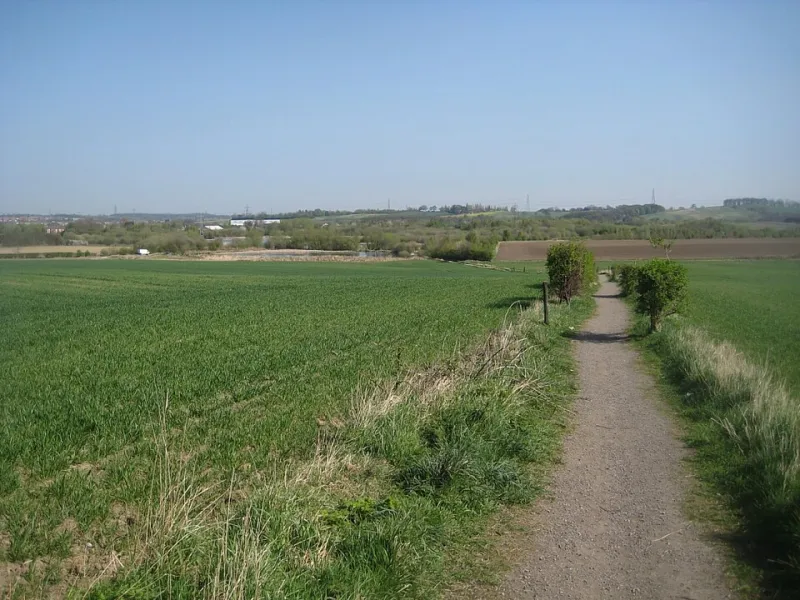
That is the beating heart of it. A village pub in 2026 survives on three overlapping populations — the booked-in Sunday trade, the locals who come weekly, and the walkers who arrive from the Chess Valley footpaths with wet boots and an appetite. The pubs that do well are the ones that never make the third group feel like an interruption.
Where It Fell Short
The gaps were small but real. Nobody checked back after the plates landed. Water had to be asked for twice. The gap between main and pudding stretched long enough for us to read the whole specials board twice and start reorganising our opinions. These are the sorts of things that no review should hang a pub on, but that a regular notices, and regulars are what keep the lights on in January.
The Six-Point Village Pub Score
Borrow this for your own local. Score each out of five, and be honest — nobody is watching.
- The Plate — is the meat cared for, the gravy made, the veg considered?
- The Room — can you hear your own table, and does the fire look like it has been lit on purpose?
- The Welcome — were the walk-ins handled as warmly as the booked-in?
- The Pace — did the gaps feel like cooking or like forgetting?
- The Value — would you have paid the same for it in a town, without flinching?
- The Return — do you actually want to go back next month, or are you just saying so?
A score of 22 or above is a proper village pub. Anything under 15 and you are paying for the beams.
Verdict
I would go back. Twenty-one out of thirty, with room to climb on the vegetables and the check-back. The Bedford Arms is doing the difficult part well — it is a place people come to rather than pass through — and the kitchen is close enough to the mark that a small amount of attention would make it genuinely excellent. In a county with plenty of pretty pubs and fewer good ones, that is worth saying plainly, and worth a Sunday.