Train, Trail and Tea: A Car-Free Chenies Day Out on the Chiltern Line
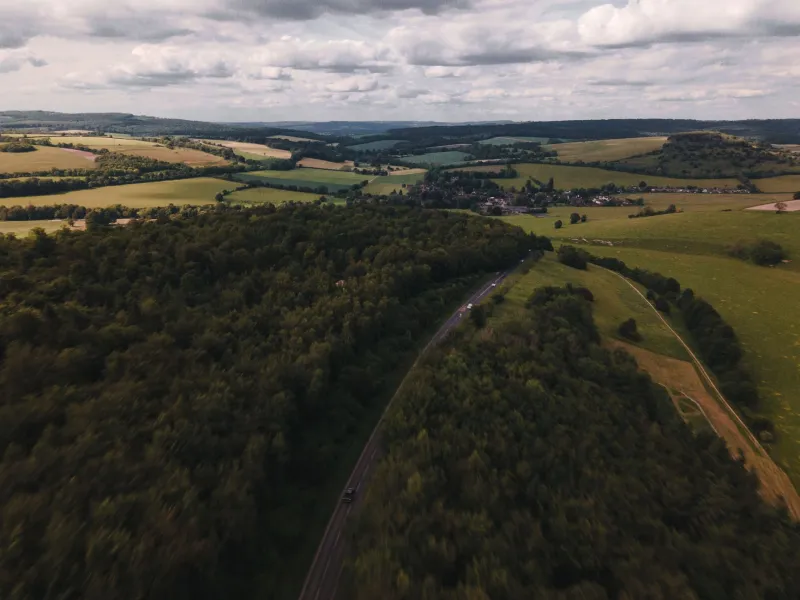
Chenies is one of those Buckinghamshire villages that looks as if it has always been there—because, in the nicest way, it nearly has. The trouble for car-free visitors is that it also looks as if it should be approached by a lane, a farm gate and a careful reverse. In 2026, the Chiltern line makes a quieter arrival possible. You can leave Marylebone or Baker Street with a coffee, step off at Chalfont & Latimer or Chesham, and let your feet do the last few miles. The village rewards that effort.
Choose your station
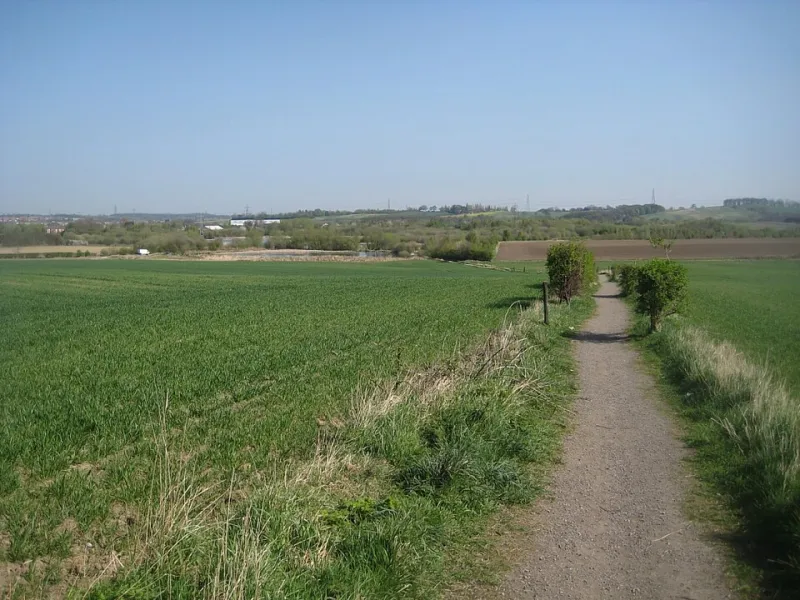
Chalfont & Latimer is the simpler option for most Londoners. Chiltern Railways runs direct from Marylebone, and the Metropolitan line also calls there, so you have a decent spread of trains through the day. The walk from the station to Chenies takes roughly 50 to 70 minutes at an unhurried pace. You are not on a mountain trail, but you are on real footpaths: expect gates, stiles, a bit of lane walking and the sort of mud that appears without warning after rain.
Chesham is the longer, prettier approach. From the Metropolitan line terminus, join the Chess Valley Walk and follow the river downstream towards Chenies. Allow 80 to 100 minutes, more if you stop to look at the water or take the wrong gate and have to double back. This is the route that makes the day feel like a proper outing rather than a commute with a walk attached.
Whichever station you choose, carry the OS Explorer 172 map or have it downloaded. Phone signal is not terrible, but a paper map does not mind a bit of drizzle.
The walk in, season by season
Spring is the season of soft paths and hedges waking up. The Chiltern woods are at their best, and the walk has that hopeful, slightly muddy feel that comes before everything dries out. Wear boots rather than trainers. The lanes are quiet, but they are still lanes, and the verges can be narrow.
Summer makes the same route feel entirely different. The path is shaded in patches, the fields are tall, and the village green is the natural place to sit and do nothing for ten minutes. Take water. The walk is not long, but it is exposed in places, and a hot afternoon can make the last mile feel longer than it should.
Autumn is the connoisseur's season for this trip. The hedgerows are full of sloes and hips, the beech leaves turn, and the low sun makes the valley look like it has been lit from behind. It is also the season of leaf mould and slippery gates. Give yourself an extra twenty minutes and enjoy the slowing down.
Winter is for short days and firm intentions. The frosty version of the walk is beautiful, but the daylight is not generous. Check the last train back before you set out, carry a small torch, and be honest about your pace. If the paths are sodden, the lane sections become more appealing, but keep an ear open for the occasional car.
Timings that actually work
A car-free day out works best when you stop pretending it is a race. Aim to arrive in Chenies around late morning. That gives you time for a short loop, a look at the green and the church, and a pub lunch before the afternoon light starts to go. In November, last light arrives early, so a 3pm departure from the village is sensible rather than heroic.
Sunday trains can be less frequent than weekday services, and engineering works are a fact of life on the railways. Check the current 2026 timetable the night before. If you are relying on the Bedford Arms for lunch, check its opening hours too. A no-car day out is delightful; a no-car day out with a closed kitchen is just a long walk home.
A simple plan: train to Chalfont & Latimer, walk to Chenies, lunch, a short village loop, then walk back to the station. If you are feeling energetic, return via Chesham for a longer Chess Valley finish. Just remember that the two stations are not interchangeable at the end of a tiring day, so decide before you set off.
Small details that make it work
Car-free travel changes what you notice. Without a windscreen, you hear the gate click, the stream, the rooks and the occasional train in the distance. You also notice the things that make the day practical: a bench on the green, a boot brush by a doorstep, a signpost half-hidden by ivy.
Bring a small daypack with water, a waterproof, a map and a portable charger. In winter, add a head torch. Close gates behind you, keep dogs on leads around livestock, and take your litter home. These are ordinary courtesies, but they are what keep quiet corners quiet.
And leave room for the unplanned bit. The best version of this day out is not the one where you tick off the church, the green and the pub in strict order. It is the one where you sit on the green for five minutes longer than you meant to, because the light is doing something nice over the roofs and the next train can wait.
Why the train suits Chenies
Chenies is not a village that wants a coach party. It is a place of lanes, hedges and small thresholds. Arriving on foot suits its scale. You come in slowly, through the edges, and the village reveals itself in pieces rather than all at once.
For residents, the car-free visitor is a good visitor: fewer vehicles on narrow lanes, fewer parking arguments, more people who have made a deliberate choice to be there. For visitors, the train is not a limitation. It is the thing that turns a quick stop into a day out. In 2026, that feels like a small luxury: a village, a path, a train and no need to find a parking space.