The Fine Art of Doing Very Little: Quiet Seats Around Chenies
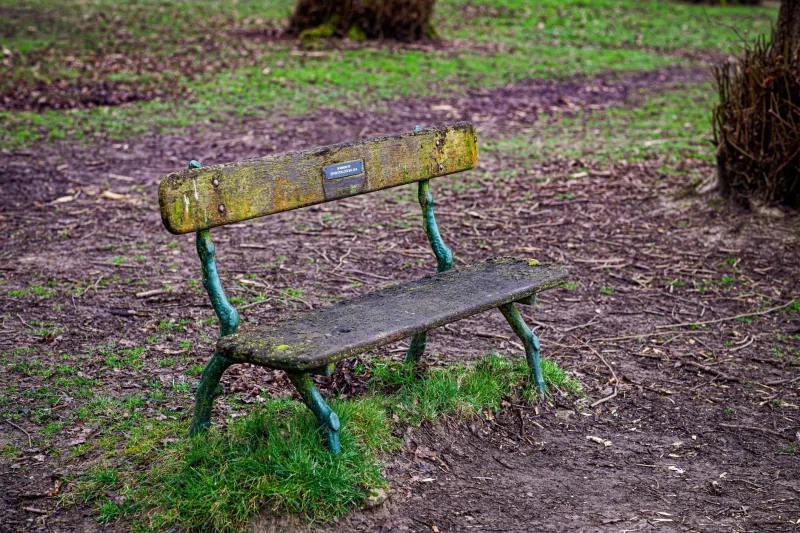
Chenies is not a place you conquer. It is a place you let settle around you. The village green, the churchyard, the path above the Chess — none of them ask for much more than half an hour and a flask. This is a guide to sitting still, not ticking off sights. Bring a thermos, a coat you do not mind getting grass on, and a willingness to watch the light move.
On the green, before the village wakes
The green is the obvious place to start, and that is no bad thing. Arrive before the school run or after the lunchtime rush and you will find a patch of grass, a bench or a low wall with a view of the war memorial and the comings and goings of village life. In November 2026 the trees are mostly bare, which means you can see the rooflines and the shape of the valley behind them. In summer the same spot is all shade and cricket noise. Sit for twenty minutes and you will notice how many people say good morning. Say it back. That is the whole etiquette.
If you are driving, park considerately — not on the verges, not across driveways, and not in the pub car park unless you are going in. The green is a shared front room, not a car park with a view.
The churchyard edge at St Michael's
You do not have to go far into St Michael and All Angels churchyard to find a quiet edge. A low wall, a stone step, the shade of the yew: these are the seats that do not announce themselves. The view back towards the manor is best in low winter sun, when the brickwork goes amber and the grass holds a little frost. In spring the churchyard is full of birdsong and bluebells, and in autumn it is leaf mould and quiet.
This is the spot for the flask. Tea, coffee, something with a bit of sugar in it. Keep voices low. Do not sit on a grave, do not prop your cup on a headstone, and take every crumb away with you. The churchyard is a garden and a memorial at once, and it works because visitors treat it that way. If a funeral or a service is happening, give it a wide berth and come back another day.
Above the Chess, where the path widens
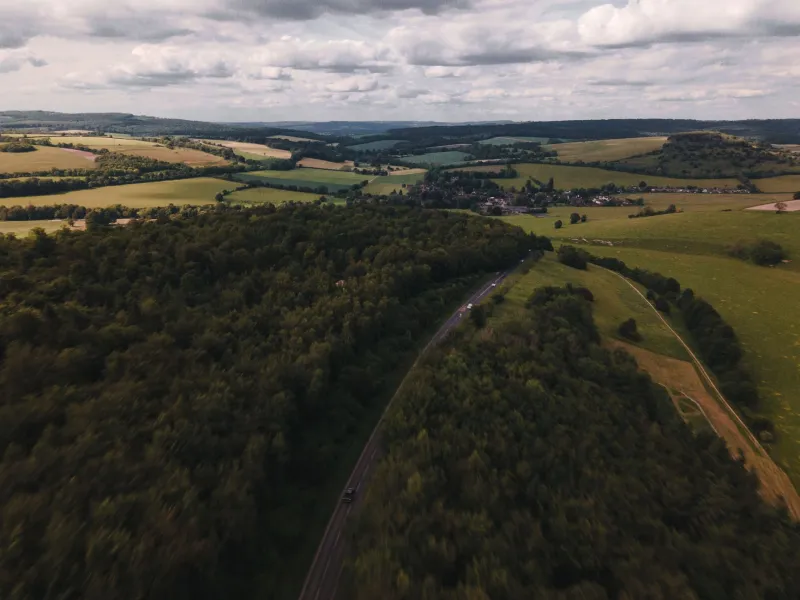
Walk down towards the river and the valley opens up. The Chess is small here — a chalk stream doing its quiet, clear business — and the path above it has a few natural stopping points where the hedge gives way. Find one, sit on the grass or a handy log, and watch the water. In November the banks are muddy and the light is thin; in June the same spot is green and loud with flies. Either way, half an hour passes quickly.
This is also where you are most likely to meet dog walkers, runners and the occasional horse. Step to the side, keep dogs close if livestock are about, and do not block the gate. A gate is a doorway, not a picnic table.
The shady bend on the Chiltern Way
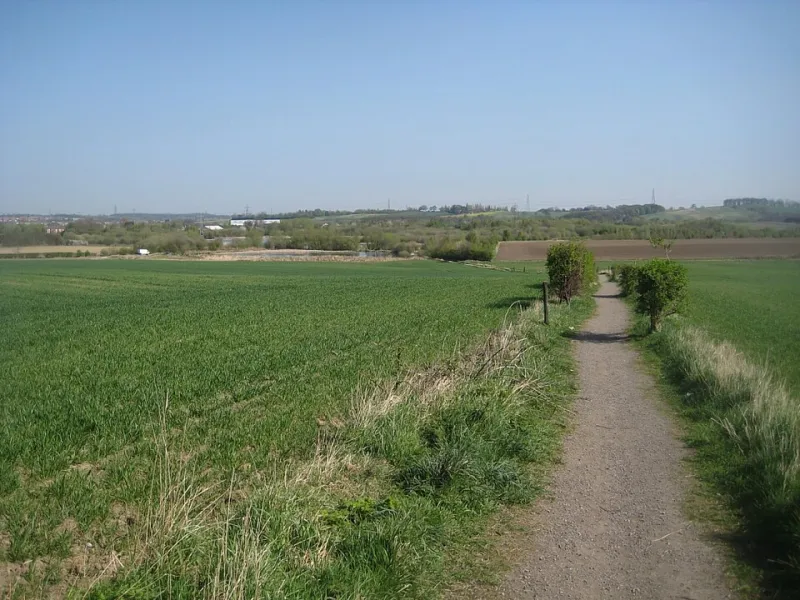
The Chiltern Way passes close to Chenies, and there is a stretch where the path bends and the trees close in. It is not a viewpoint in the postcard sense, but it is a good place to stop. The ground is dry underfoot in summer, the leaves mask the road noise, and you can hear the valley rather than see it. Sit on the bank, lean against a tree, and let the walk go on without you for a bit.
This is a good spot for a sandwich, but not for a playlist. Keep one ear open for cyclists and horses. And if you have brought a dog, keep it out of the undergrowth where the ground-nesting birds are. The quiet corners of Buckinghamshire are quiet because people are careful.
Outside the manor gates
You cannot wander the private gardens at Chenies Manor, and you should not try. But the lane outside the gates offers a fine place to pause and look. The gatehouse, the wall, the trees — it is a view that rewards standing still rather than striding past. In 2026 the manor remains a seasonal visitor attraction, so check opening times before you plan a visit. The lane, though, is always there.
Sit on the grass verge if it is dry, or lean on the wall if it is not. Do not photograph through windows, do not open gates, and do not treat the entrance as a bench. A few minutes is enough.
The lane back towards the station
If you are heading back to Chorleywood or Rickmansworth, the lane out of the village gives you one last place to stop. The verge widens near the bend, and on a clear day you can see the shape of the valley behind you. It is not glamorous — a bit of hedge, a bit of road — but it is the kind of spot that makes a walk feel finished rather than just ended.
Sit for ten minutes. Finish the flask. Watch the light go. Then walk on.
A few quiet rules
Chenies is a lived-in village, not a museum. The best way to enjoy its seats is to remember that. Keep voices low near houses, take litter home, do not park on verges, and give people space. If a bench is occupied, do not hover. If a gate is closed, close it behind you. If a view is private, admire it from the path.
The point of a half-hour on a bench is not to see everything. It is to let one place see you back. Chenies is good at that. Bring a flask, pick a spot, and stop.