The Pub, the Path and the Plough: A Dark-Sky Evening in Chenies
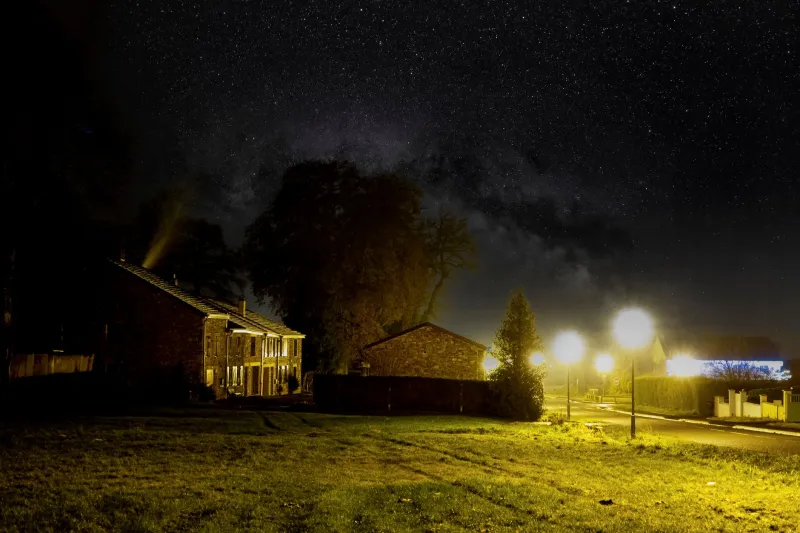
The last train out of the Chilterns is not really the point. The point is the hour afterwards, when the lane goes quiet, the car park empties and Chenies stops being a place on a map and becomes a place under a sky. On a clear November evening in 2026, with the clocks already back and the leaves mostly down, there are few better ways to spend an hour than eating something warm and then walking a little way out to where the village lights thin.
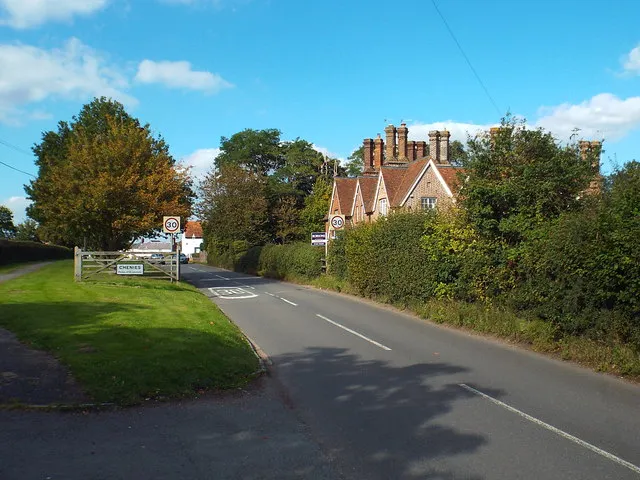
Chenies is not an official dark-sky site, and nobody is pretending otherwise. But step a few hundred metres from the green, away from security lights and kitchen windows, and the difference is startling. The Chess Valley opens up. The hedges turn into silhouettes. And if the clouds behave, the Plough appears as if someone has switched it on.
Supper first, stars later
Start with food, but keep it simple. A winter night walk is better with a full stomach and a clear head, so this is not the moment for a long, boozy dinner. Book a table early, order something that comes in a bowl, and leave room for a walk rather than a stagger. The village pub does the job nicely: warm room, low beams, the sort of menu that makes you want to stay put. Resist that urge for another twenty minutes.
If you are coming from London, check the trains before you commit. Chenies itself has no station; the nearest practical option is Chalfont & Latimer, and the last service back is earlier than you think. Plan the evening around the walk home, not the other way round. A taxi booked in advance is a sensible fallback, especially on a Sunday.
What to pack, and what to leave behind
Bring a small torch with a red filter, or wrap a normal one in red plastic. Red light preserves night vision much better than white, and it is less likely to blind the person behind you. A head torch is fine if it can be switched to red, but keep it off unless you actually need it.
Wear more than you think. Clear nights are cold nights, and the valley floor holds the chill. Waterproof boots are wise even if it has not rained for days; the Chess Valley path has a habit of staying muddy. Gloves, a hat and a flask are not overkill in November. A charged phone is essential, but keep it in a pocket rather than in your hand. You are out here to look up, not at a screen.
Leave the speaker at home. Leave the drone, too. And leave the white headtorch on full beam for the car park. This is a village, not a festival.
A short route with a darker edge
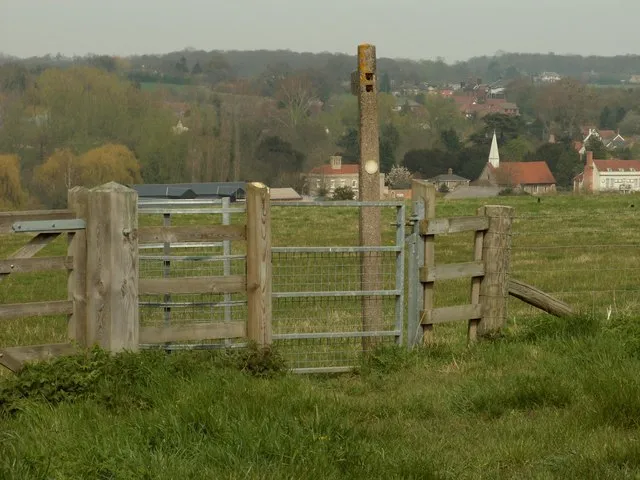
You do not need an epic. A twenty- to thirty-minute out-and-back is plenty. From the village, follow a public footpath towards the edge of the Chess Valley, using an OS map or the local rights of way. Keep to marked paths, close gates behind you, and do not cross fields with livestock unless the path clearly allows it. In the dark, a gate that was easy in daylight can become a puzzle; a red torch helps, but a printed map helps more.
Choose a route you already know, or at least one you have checked on a map before leaving. The pleasure of night walking comes from confidence, not from route-finding by phone. If you are unsure, walk out along the same path for fifteen minutes and turn back. The best viewpoint is often simply the first gate where the hedge opens and the village lights fall behind you.
Pause there. Turn off the torch. Let your eyes adjust. It takes roughly twenty minutes for human eyes to reach reasonable night vision, which is why the sky always looks better at the end of a walk than at the start.
Reading the sky without an app
You do not need a star chart on your phone to find your way around a winter sky. Start with the Plough, that familiar saucepan shape in the north. Find the two stars at the end of the pan, draw a line through them and carry it about five times further to a moderately bright star. That is Polaris, the North Star. It sits above the northern horizon and barely moves. Once you have north, the rest of the sky starts to make sense.
From there, look for Cassiopeia, the squashed W shape on the opposite side of Polaris. In autumn and early winter it is high and easy. Later in the evening, Orion climbs in the east, three stars in a neat diagonal line at his belt. Below and to the left of the belt, if the air is clear, you may catch the fuzzy patch of the Orion Nebula. Above and to the right, the bright reddish star Betelgeuse is hard to miss.
The Pleiades are another good test of dark skies. This small cluster in Taurus looks like a tiny shopping trolley or a cluster of six or seven stars, depending on your eyes and the conditions. In a truly dark sky you might count more. In Chenies, you will probably count enough to be pleased.
If you want to measure the sky without equipment, use your hand. A closed fist held at arm's length covers roughly ten degrees. A spread hand covers about twenty. The Plough is a good place to practise: most people are surprised by how much of the sky it takes up.
Quiet rules for a village after dark
Night walking is only charming if it does not become a nuisance. Keep voices low. Do not shine torches into windows or gardens. Stick to public paths and do not wander into fields or private drives looking for a better view. If you bring a dog, keep it close and put it on a lead around livestock. And if a resident asks what you are doing, a polite explanation goes a long way. Most people are pleased to hear that someone is enjoying the village quietly.
The walk back
The walk back is often the best part. The pub lights appear before the village does, a warm smudge at the end of the lane. By then your eyes are adjusted, your hands are cold and the sky has done its work. A flask of tea in the car park, or a last few minutes on a bench, is a fine way to finish.
Chenies is not a dark-sky destination in the official sense. It is something better: a working village with a pub, a church, a valley and a sky that still rewards the effort of stepping outside. The last train may have gone, but the Plough is still up there. You just have to walk a little way to see it properly.