Lead, Water, Repeat: A Calm Dog Walk Through Chenies and the Chess Valley
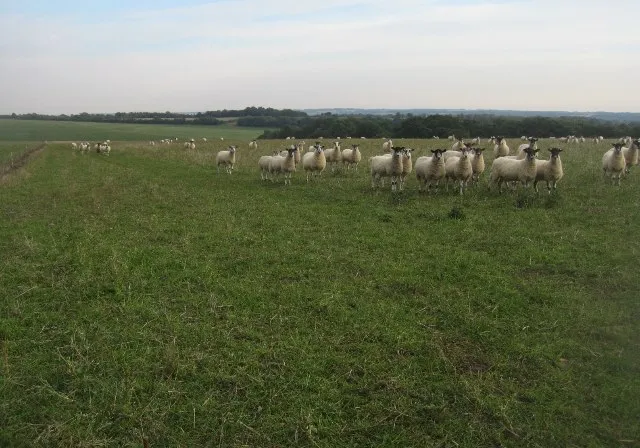
Photo: ad acta , CC BY-SA 2.0, via Wikimedia Commons
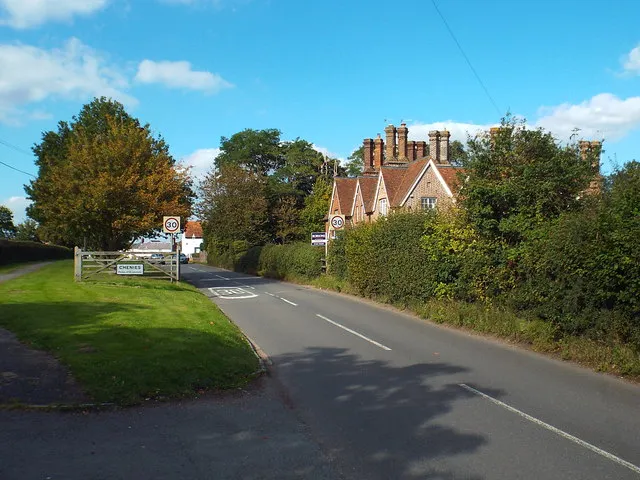
Chenies is a good dog village in the sense that it does not make a fuss. There are no turnstiles, no loud signage and no attempt to turn a few lanes and footpaths into an attraction. That is exactly why it works. It also means the place relies on visitors behaving reasonably: leads where they are needed, gates closed, mess cleared and a bit of common sense around livestock and other people.
This is not a dog park. It is a working village beside a working valley, and the best walks here are the ones that leave everyone else's day undisturbed.
Start small, start at the green
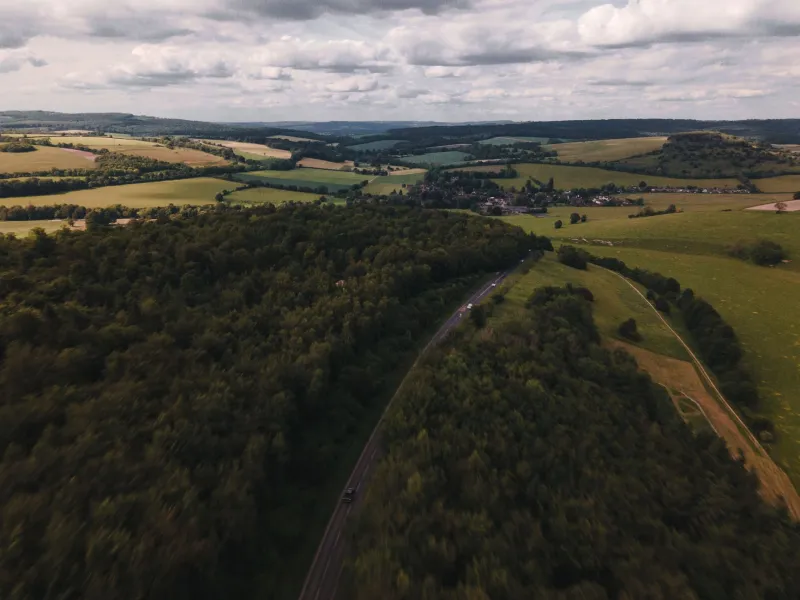
A sensible first outing begins at the village green, where you can get your bearings before heading anywhere near a stile. From here, the obvious short loop takes you past St Michael's churchyard, down towards the Chess Valley and back up through field edges and lanes. At dog pace, with the usual sniffing stops, allow an hour and a half rather than treating it as a route to be beaten.
Do not rely on memory or a phone signal alone. A paper map or an offline mapping app is worth having, particularly where footpaths meet lanes and private land. The route is not long, but it is fiddly in places, and a wrong turn into a crop field is exactly the sort of thing that makes farmers less keen on dog walkers.
The loop: church, river, climb back up
Head past the church and follow the footpath signs down towards the valley. The descent is gentle enough for most dogs, though after rain it can be slippery underfoot. Near the bottom, the Chess gives you a natural turning point: follow the river for a stretch, let the dog have a good sniff along the bank, then climb back up via the field edge and lanes.
Expect gates, and expect at least the possibility of stiles. Not every stile is friendly to a large dog, an older dog or a dog that has never been asked to scramble over anything. If yours cannot be lifted safely, choose an alternative path rather than hauling them over. There is no prize for completing a route that your dog hated.
Keep to public rights of way. Field margins are not spare dog runs, and the tempting gap in a hedge is often not a path at all.
Stiles, gates and the small matter of livestock
Sheep and cattle are not background scenery. They are livestock, and they behave like livestock. Put the dog on a short lead before you enter a field with animals in it, give them a wide berth and do not let your dog stare, bark or chase. If cattle block the path, take the alternative route rather than threading through the herd. A detour is always cheaper than an incident.
Close every gate behind you, even if it was open when you arrived. Keep dogs away from ground-nesting birds in spring and early summer, and do not let them root about in hedgerows where nests may be. A lead is not a punishment; it is just good manners in the places that need it.
Water, shade and the honest truth about the Chess
The Chess is pretty, but it is not a pet water fountain. Carry water and a folding bowl, and offer it regularly rather than waiting for the dog to start panting. Do not assume there will be a tap, a trough or a pub bowl exactly when you need one.
Shade is patchy. There are useful pockets along hedgerows and under trees, but the climb back up can be exposed. On warm days, walk early or late, keep the route short and skip the long sniffing circuit if the dog is already flagging. Do not let them drink from stagnant pools or slow water, and keep them out of the river if there is any sign of blue-green algae.
Mud, heat and seasonal snags
Winter brings mud, frost and the sort of slippery chalky slope that turns a calm dog into a skidding cannonball. Spring brings lambs, so keep your distance and keep the lead on. Summer means ticks, so check ears, armpits and the warm places after every walk. Autumn brings acorns, conkers and harvest traffic on the lanes; none of these are worth an argument with your dog's stomach.
In 2026, the usual rules still apply: pick up after your dog, carry the bag if there is no bin, and do not leave it dangling from a branch like a grim little decoration.
The pub garden test
If you finish at the village pub, check the current dog rules before you settle in. Village pubs are often welcoming, but 'dog-friendly' can mean anything from a bowl by the door to a full welcome at the table. Keep the lead on, ask before taking the best bench, and do not let your dog wander between tables or beg from neighbouring plates.
A tired dog under the table is a good pub dog. A wet dog doing laps of the garden is not. Bring a towel in muddy months and use it.
Clean up, calm down, come back
The measure of a good dog walk here is not how far you went. It is whether the village, the farmer and the next visitor would be pleased to see you again. Keep the loop short, the lead handy, the water topped up and the noise down. Chenies rewards that sort of visit, and the Chess Valley will still be worth returning to next weekend.