Ears Wide Open: A Listening Loop Through Chenies
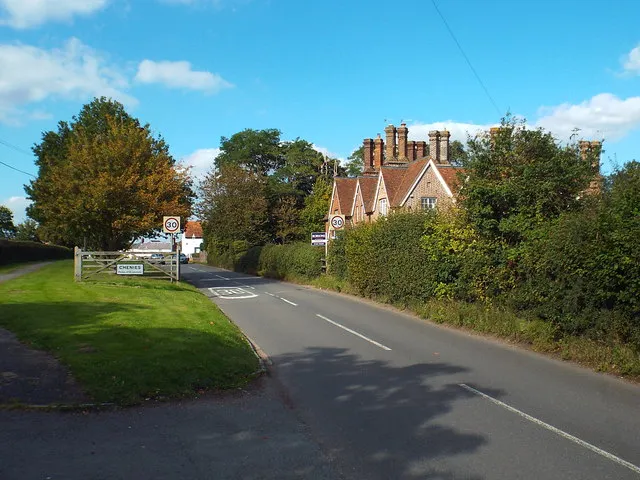
Photo: Malc McDonald , CC BY-SA 2.0, via Wikimedia Commons
Most village guides begin with a map. This one begins with a pair of ears. Chenies is a place that rewards looking — the manor, the church, the dip of the Chess Valley — but it also has a soundscape that is easy to walk straight through. The trick is to slow down enough to hear it. What follows is a short, flexible listening loop of roughly an hour, with stops where the village makes itself heard in the quietest possible way. No headphones, no podcast, no need to stride purposefully. Just a coat, sensible shoes and the willingness to stand still for a minute longer than feels natural.
Start where the village clears its throat
Begin near the village green, or anywhere central where you can pause without blocking a doorway. Early on a weekday is best if you want the least company; a Sunday morning has more going on, but in a good way. Stand for a moment and notice what is already there: a gate hinge, a distant car changing gear, a dog barking once and thinking better of it. This is the baseline. Everything else in Chenies is layered on top.
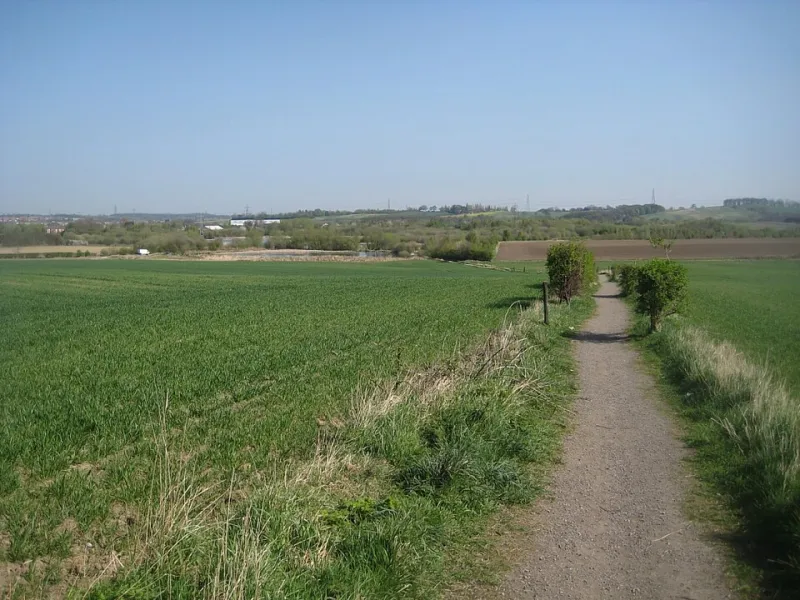
From here, head downhill towards the Chess. The change is gradual. The village noise thins out, the path softens underfoot and the valley begins to open up. In late 2026, with autumn well advanced, the ground is likely to be damp and the air carries that cold, clean smell that makes sounds travel further than you expect.
Stop one: the Chess under the footbridge
The first proper listening point is the footbridge over the Chess. Don't just cross it — stop halfway. Water is the village's steadiest instrument, and it never plays the same thing twice. After rain, the Chess has a busy, shuffling sound as it slips beneath the bridge. In drier spells it is closer to a whisper, with small gurgles and clicks where the current finds a stone.
Late autumn and winter are good months for this stop because the banks are more open. Fewer leaves on the trees means less rustle and more water. If you come in the morning, listen for birds working the hedges — robins, blackbirds, the occasional wren firing off like a tiny alarm. Stand here for two or three minutes and you will start to hear the difference between water moving over mud, water moving over gravel and water moving over something solid that has been there for decades.
Stop two: bells carrying from St Michael's
Climb gently back up towards St Michael's Church. The church is a visual landmark, but it is also the village's most reliable broadcaster. Bell practice and Sunday service ringing carry across the rooftops in a way that feels both ordinary and slightly ceremonial. The exact pattern depends on the week, so treat this as a listening stop rather than a scheduled appointment. If you hear bells, pause and work out where they are coming from. If you don't, the silence has its own weight.
Sound travels differently depending on the wind. On a still day the bells seem to arrive from all directions at once. On a breezy day they come and go, like someone opening and closing a door in another room. This is a good place to practise the art of not rushing. The churchyard wall, the gate, the path — all of it frames the sound.
Stop three: gravel in the churchyard
Inside the churchyard, the soundtrack changes again. Gravel underfoot is one of those noises you stop noticing until someone else does it. Walk slowly along the path and listen to your own steps: the crunch, the shift, the small skid where the surface is loose. Then stand still and let the gravel fall silent. You may hear a bench creak, a gate latch, a blackbird turning over leaves, or the low murmur of someone talking quietly near the porch.
This is the part of the loop where the village feels most enclosed. The churchyard holds sound in, softening it. In late 2026, with the light going early, late afternoon has a particular hush. The gravel seems louder then, and the bells, if they ring, seem closer.
Stop four: the distant Chiltern line
Leave the churchyard and find a spot with a little height or a gap between buildings. Somewhere along the upper edge of the village is ideal. The Chiltern line is not loud from Chenies, but it is there — a distant rumble, a brief wash of sound, then gone. It is the kind of noise that makes you look up and wonder whether you imagined it.
Trains are most noticeable when the wind is in the right direction and the valley is quiet. Mid-morning and mid-afternoon on weekdays are good bets; the timetable does the rest. Don't wait for one. Just note the place and come back another time. A sound map is not a checklist. It is a set of invitations.
Stop five: the lunchtime murmur
Finish near the village pub — the Bedford Arms is the obvious anchor — or anywhere with a bit of outdoor seating. Lunchtime has a low, civilised hum: cutlery, chairs, conversation, a door opening and closing. It is not silence, but it is a gentle kind of noise, the sound of a village using its front room. In late 2026, with the colder months settling in, the pub murmur is likely to be heard from inside rather than out, so linger by the door or in the porch for a moment before heading on.
A short loop, timed for late 2026
This listening loop works best in about an hour, but there is no medal for finishing. Start at the green, drop to the Chess footbridge, climb to St Michael's, walk the churchyard path, then find a high point for the railway rumble and finish near the pub. Late autumn is a generous season for this kind of walk: the leaves are down, the air is clear and the village is settling into its quieter months. Winter mornings are even quieter, though the ground is muddier. Spring brings birdsong; summer brings people. Each season has its own mix.
What to listen for by season
In late 2026, the dominant sounds are water, gravel, bells and the occasional train. As winter deepens, the Chess will run fuller after rain, and the churchyard will hold frost and footstep noise in a different way. Come spring, the hedges will fill with birds and the footbridge will compete with them. Summer is the noisiest season, but even then Chenies has pockets of hush — early morning, the churchyard, the far end of the valley path.
The point is not to chase silence. It is to notice how much is happening inside it. A village like Chenies is heard as much as seen, and the quietest noises are often the ones that tell you most about where you are.