Cash in the Glovebox: Following Chenies' Roadside Larders
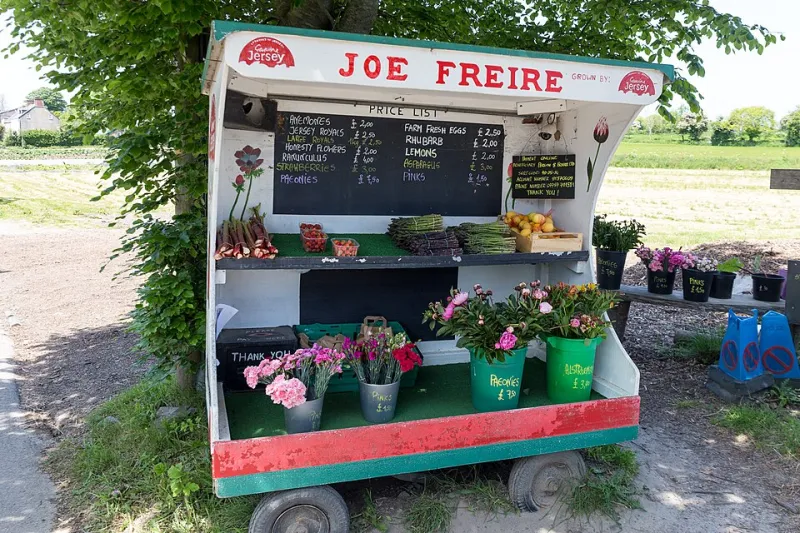
Photo: Pymouss, CC BY-SA 4.0, via Wikimedia Commons
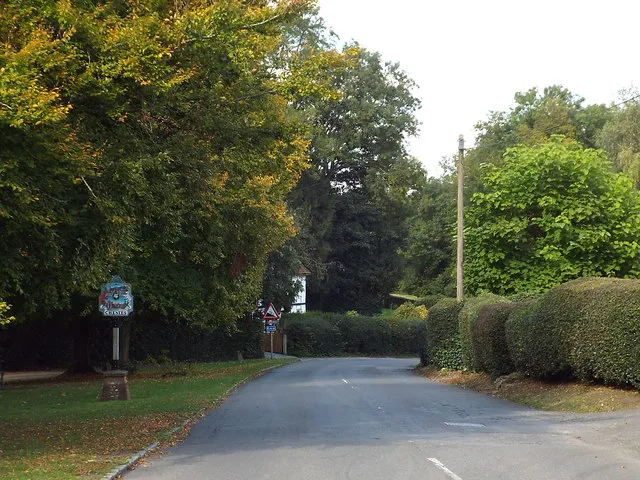
There is no shop in Chenies. There is, however, a loose and unofficial network of tables, gates, sheds and cool boxes scattered through the lanes and the valley below, and between them they will furnish a decent weekend breakfast. You just have to know how the system works, and accept that the system is not really a system at all.
What a village larder actually is
An honesty box is not a shop with the staff removed. It is somebody's spare produce, put out because the alternative is watching it go off. That single fact explains almost everything about how they operate: the stock is whatever exists that week, the price is whatever the householder decided was fair, and the opening hours are governed by daylight, hens and the school run.
Practically, that means no card reader, no receipt, and no guarantee. It also means the quality is usually far better than the packaging suggests. Bring cash — coins and a couple of fivers, because a £20 note in a jam jar is a small disaster for everybody.
What turns up, and roughly when
Eggs are the backbone of the whole operation and are available for most of the year, though hens slow down in the short days after Christmas and boxes can sit empty for a fortnight in January. Expect somewhere between £2 and £4 for half a dozen, depending on how optimistic the seller is feeling.
Honey appears in late summer and autumn, when the main crop is taken off. Earlier in the year you may find a lighter, sharper spring honey, and anyone selling both will usually be pleased to explain the difference if you catch them at the gate.
Gluts are the joy of the thing. Courgettes in July and August, runner beans by the carrier bag, apples and plums from late August into October, and a surprising amount of chutney and jam once the preserving pans come out in the autumn. Sometimes there will be a hand-written sign apologising for the size of the marrows, which is the most Buckinghamshire sentence in existence.
Flowers, kindling and occasionally cakes fill the gaps. The Chess Valley has a long history of watercress beds, and while the commercial trade has largely gone, you will still see the odd bundle of something green and peppery on a table in spring.
The etiquette, which is unwritten but firm
Nobody will tell you off. That is what makes getting it wrong feel worse.
- Pay what is asked. The price is on the sign, not up for discussion. If you have no change, buy less.
- Leave the box tidy. Coins flat, lid back on, no rummaging through somebody's Tupperware like it is a jumble sale.
- Close gates properly. Not nearly-closed. Properly.
- Keep dogs in the car or on a short lead. A stall is usually a few metres from a front window and often a few metres from livestock.
- Do not photograph the house. Photograph the eggs, by all means. The kitchen window is not part of the attraction.
- If the box is empty, leave it empty. Don't go looking for more, and don't knock unless there is a sign inviting you to.
- Take your rubbish with you, including the bag you brought the apples home in last week. Some stalls have a crate for returning carriers and punnets; use it.
One more: don't treat a farm gate as a parking space. Passing places, gateways and verges are working parts of a narrow lane, and a wet November verge will not forgive you.
A loop that doesn't turn Chenies into a car park
The temptation is to drive from stall to stall, which is both antisocial and joyless. Better to leave the car somewhere sensible — the station car park at Little Chalfont or Chorleywood, or a legitimate village hall space when nothing is on — and then walk or ride.
A workable circuit on a bike is roughly twelve miles and takes in the best of it: out of Chenies on the lane down towards the Chess, over the bridge at Latimer, up through the lanes towards Sarratt and across to Flaunden, then back by the smaller roads to the valley. There are hills. There are also gates, horses and the occasional tractor, so ride as though the lane belongs to somebody else, because it does.
On foot, cut it down to four or five miles: Chenies, the valley path, Latimer, and back up the hill. You will pass fewer stalls but you will notice more of them, which is rather the point.
Timing your visit
Mid-morning on a Saturday is the sweet spot — stock is out, the day is not yet busy, and there is a decent chance of catching somebody topping up a box. Sunday is busier around the church, and late afternoon is when the good things have gone.
Take a cool bag in summer, a torch in winter, and a bit of patience in the school holidays. If you find a stall with a QR code taped to the lid, pay by phone and still put something in the box — the honesty is the whole architecture.
When the boxes are bare
They will be, sometimes, and that is not a failure of the concept. Hens moult, honey crops fail, and people go on holiday. Fill the gap at the shops in Little Chalfont or Chesham, or wait until the weekend after next and try the same gate again. The larder is a courtesy extended by a household, not a service level agreement, and the pleasure of it lies entirely in that.