A Village, Not a Venue: The Unhurried Case for Chenies
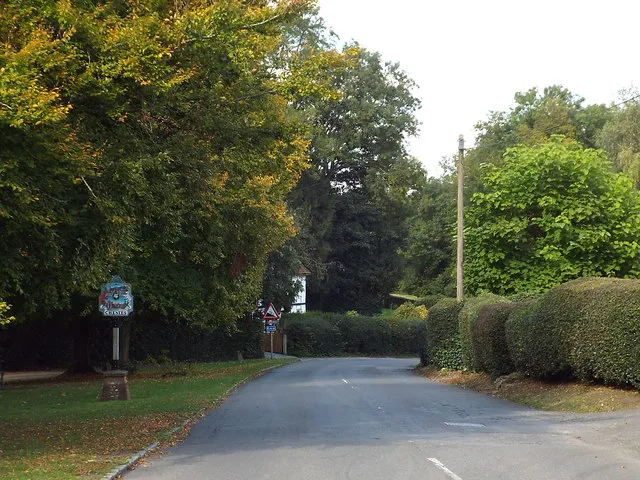
Photo: Malc McDonald , CC BY-SA 2.0, via Wikimedia Commons
There is a particular kind of internet compliment that sounds generous and lands awkwardly. You know the one. A place is declared a “hidden gem”, a “secret village”, a “must-see before everyone else finds it”. For about a week, it behaves like a secret. Then the coach parties, the drone pilots and the picnic blankets arrive, and the thing that made it worth finding has quietly left through the side gate.
Chenies has been on the receiving end of this sort of praise for years. It is easy to see why. There is the manor, the church, the Chess Valley, the lanes that fold into each other like a well-used map. It is close enough to London to feel achievable and far enough from the main road to feel like a small act of escape. But the village is not a venue, and the valley is not a theme park. It is a place where people put out their bins, collect parcels, walk the dog before work and hope the delivery van can get past.
The trouble with a label
Labels do a lot of work in a very short space of time. Call somewhere a hidden gem and you create an expectation: that it will be empty, photogenic and slightly flattered by your attention. Call it a must-see and you turn a visit into a tick. Neither label leaves much room for the ordinary business of a village going about its day.
The phrase also contains a small contradiction. A place cannot stay hidden if we keep announcing it. And a quiet corner is not improved by being marketed as a discovery; it is improved by being treated as somewhere worth caring for. That is a less exciting sentence, but it is a more useful one.
A working village, not a stage set
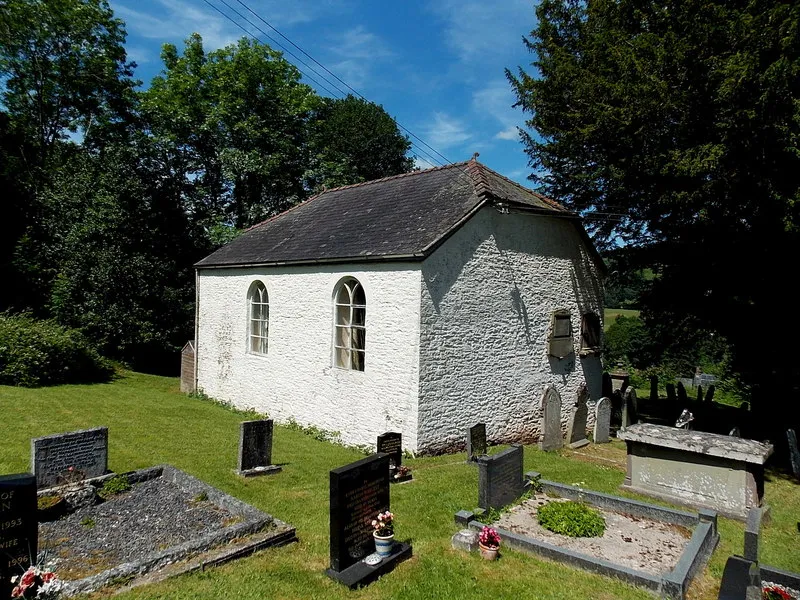
Chenies is not a film set with a pub attached. The village hall has a diary full of bookings. The churchyard is a place of remembrance, not a lawn for a picnic. The manor has opening times and a garden that takes work. The pub has a lunch service and regulars who like their usual table. The lanes have residents who need to get out of their drives in the morning.
None of this means visitors are unwelcome. Far from it. A village that never sees a new face can become brittle. Visitor spending helps the pub, the hall, the church and the small events that hold a place together. The relationship only works when it is reciprocal: come, enjoy, spend where you can, and remember that the people who live here are not extras in your day out.
The quiet arithmetic of a good visit
A good visit to Chenies is not complicated. It is mostly a matter of small arithmetic. Park once, then walk. If the car park is full, treat that as a signal rather than a challenge. Do not leave the car on a verge, across a driveway or in a pub car park unless you are actually using the pub. Single-track lanes have passing places for a reason, and they are not there for a three-point turn at speed.
On the footpaths, close gates, keep dogs on leads around livestock and take litter home, including the bits that supposedly biodegrade. A banana skin on a stile is still litter. If you want to photograph a garden, a doorway or a person, ask first. The churchyard asks for a particular kind of quiet: read the stones, mind the paths, and save the catch-up phone call for the car.
A short etiquette for the unhurried
- Arrive curious, not entitled. The village owes you a pleasant walk; it does not owe you a parking space outside the gate.
- Use the pub, the hall and the manor as they are meant to be used. Buy the coffee, book the ticket, read the opening times.
- Keep the volume low. No Bluetooth speakers on the footpath, no shouted calls across the green.
- Give way with good humour. Walkers, cyclists, horses and delivery vans all share the same narrow lanes.
- Leave the quiet corners quiet. That is the whole point of them.
This is not a telling-off. It is more like the house manual you find in a well-run holiday cottage: a few sensible notes so everyone can relax.
What we gain by going slowly
Slow visits are better visits. When you are not trying to complete Chenies in an afternoon, you notice the stile that has been repaired, the flint in the wall, the way the valley opens up after a bend. You hear the river before you see it. You might come back in another season and find the same lane completely changed by light and leaf.
The quiet corners of Chenies are not an accident. They are the result of ordinary care, repeated over time, by people who live there and people who visit well. If you love a place, the kindest thing is not to turn it into content or a checklist. It is to arrive gently, leave it as you found it, and let the village remain a village.