Ropes in the Tower, Sound in the Lane: A Morning with Chenies' Ringers
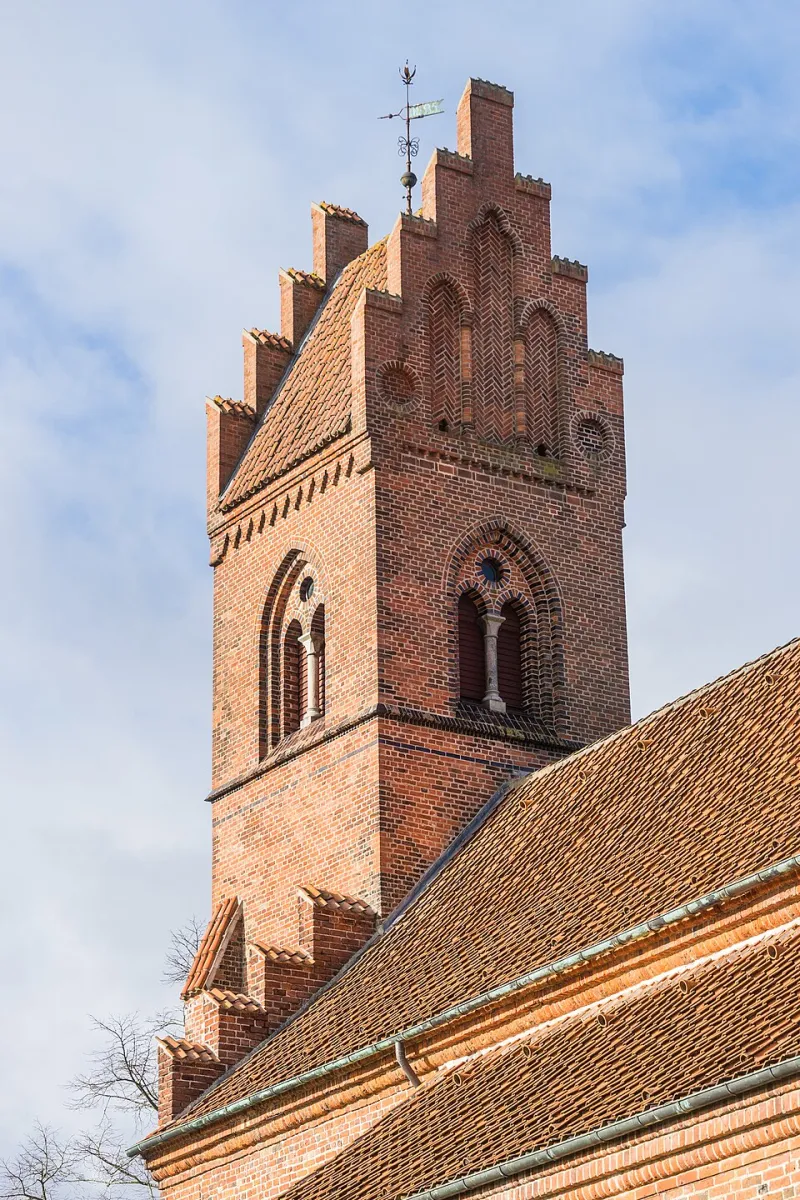
Photo: Jebulon, CC0, via Wikimedia Commons
If you are walking past St Michael's on a Sunday morning, a little before the service, you will hear something that sounds at first like an accident. A clang, a pause, another clang slightly too late, and then, within twenty seconds or so, a pattern. That settling is the sound of a tower waking up, and it is one of the oldest noises in the village.
What you hear from the lane
Stand by the churchyard wall for a full five minutes and the shape of it becomes obvious. There is a phase of climbing — the bells swinging higher and higher until each one turns a full circle — which to a passer-by sounds like someone slowly losing control of a machine. Then the rhythm steadies into rounds: the bells struck in order, highest to lowest, over and over.
After that, things change. A voice calls something from inside the tower, and the order shifts — one bell swaps places with another, the pattern re-forms, another call, another shift. To a listener on the path this is a puzzle with no solution, and that is exactly right. Change ringing is not music in the sense of a melody. It is a set of mathematical sequences rung on heavy bells by people pulling ropes, and the pleasure of it is in the pattern rather than the tune.
At the end you will hear a call of that's all and the bells will be lowered, one by one, back to rest. The last few minutes — ringing down — are the ones to stay for. It is slower, more careful, and it ends with a single dull thud and then ordinary village silence.
What is actually happening up there
A ring of bells is hung so that each can swing a full circle, mouth up, with a rope running down through the ceiling to a ringer standing in a circle below. One person, one bell. Nobody plays a tune; instead the band controls the order in which the bells strike, and the skill lies in placing your own bell exactly where it belongs in the sequence.
Each pull has two parts. The handstroke brings the rope's woollen grip — the sally — down into your hands with a visible flick of rope above your head. The backstroke is the pull at the bottom of the swing. That alternating hand-and-back rhythm is what gives English ringing its distinctive gait: not ding-dong, but something more like a slow, evenly paced walk.
The lightest bell is the treble, the heaviest the tenor, and the tenor sets the pace for everybody. A beginner learns on a bell that has been tied off so it cannot swing, and spends a long time doing nothing but holding a rope and stopping. It is not glamorous. It is, apparently, addictive.
Why a village keeps doing it
Ringing is voluntary, unpaid, and slightly absurd. It also marks almost everything a parish does. Sunday services, weddings — where a band will often ring before and after — funerals, Remembrance, Christmas, and the occasional national occasion when towers across the country ring at the same time for the same reason.
A wedding is the best introduction for a casual listener. The bells go up, the party arrives, and afterwards there is a burst of something jaunty and slightly chaotic as the couple come out. If you have ever wondered why a small church makes such a disproportionate amount of noise on a Saturday afternoon, this is why.
And then there is the social side, which is the real reason most towers survive. Practice night is a cup of tea with a rope attached. The band is a mix of ages and backgrounds, and the only qualification is turning up.
Listening respectfully
A few small courtesies make a difference.
- Listen from outside. The ringing chamber is a working space with several people holding heavy moving bells. Do not climb the tower mid-ring to see what is going on.
- Do not stand directly beneath the louvres if you can help it. The sound is at its loudest and least pleasant there.
- Photograph the tower, not through the windows. Flashes in a ringing chamber are unhelpful and slightly startling.
- Ask before filming inside, and never during a service.
- If you arrive during a wedding, give the bridal party room and wait at the gate.
The best seat in the house, incidentally, is the bench in the churchyard, where the sound arrives filtered and rounded rather than raw. Take a flask. It is a very good way to spend twenty minutes.
Learning the ropes, literally
Every tower in the country is short of ringers, and most would rather have an enthusiastic beginner than a perfectly behaved one. If you are curious, the route in is simple: find the tower captain, say hello, and ask about a taster session.
Practice nights are usually advertised on the church noticeboard, in the parish newsletter, or by asking at a Sunday service — they do move about, so check rather than assume. A first session involves a tied bell, a lot of instruction about where to stand and when to let go, and absolutely no expectation that you will ring anything properly. Most people take several weeks to get a bell under control and months to ring rounds confidently.
You do not need strength, particularly. You need timing, a bit of coordination, and the willingness to be gently corrected in front of other people. Ringers will tell you that the learning curve is steep and the community is the reward.
A short listening itinerary
Come down to Chenies on a Sunday morning before the service, walk the churchyard first, then stand at the wall and let the rounds settle around you. When the bells stand, go quietly out through the gate and take the lane down towards the Chess. You will hear the last of them, faint and thin, from halfway down the hill — and then the valley takes over, which is its own kind of ringing.