Beyond the Manor Gates: Reading the Stones of St Michael's Churchyard
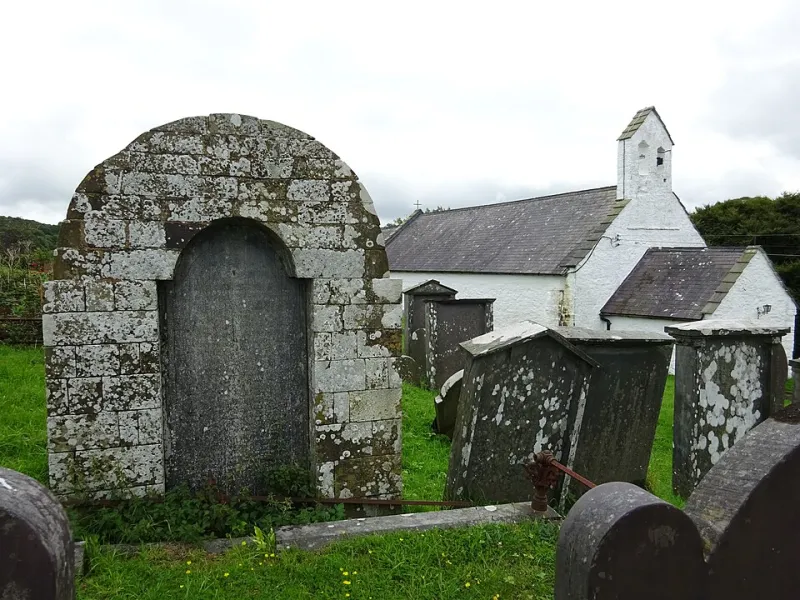
Photo: Llywelyn2000, CC BY-SA 4.0, via Wikimedia Commons
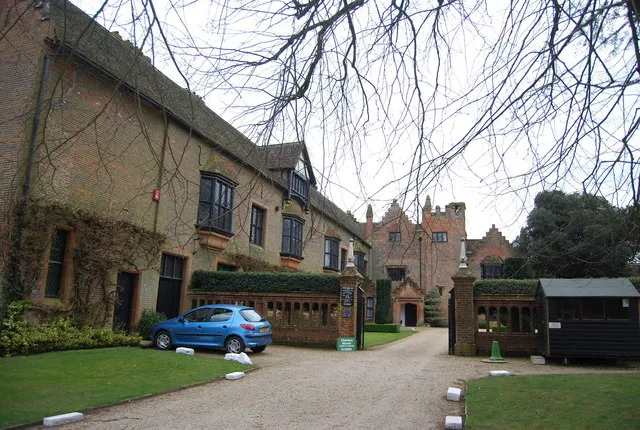
Most visitors to Chenies come for the Manor House. They park, they admire the Tudor brickwork, they take the garden path and they leave. The church of St Michael is a short walk away, and its churchyard is often treated as a footnote—a pleasant foreground for a photograph, a place to wait for the car. That is a mistake. The churchyard is one of the village's most underrated archives, and it rewards the sort of visit that asks for nothing more than a slow half-hour.
The approach
St Michael's sits at the heart of the village, its churchyard held by low walls and paths that have been walked for centuries. The first thing to notice is not a grand monument but the ordinary fabric of the place: headstones leaning at angles, grass left a little long in places, a bench that has seen better decades. This is not neglect. It is the texture of an active churchyard, where the old and the new share the same ground.
The Bedford presence
The Bedford Chapel is the reason many people know the church at all. The Russell family, Dukes of Bedford, have long been associated with Chenies, and their monuments inside the chapel are among the finest of their kind in Buckinghamshire. They are grand, theatrical, and worth seeing properly—but they are not the whole story. The chapel tells you about power and patronage. The churchyard tells you about the people who lived under it.
The two should be read together. The Bedford monuments show a family choosing the parish church as its memorial stage; the graves outside show the village that made the estate work. Farm labourers, servants, craftspeople, children who never reached adulthood: their names are less celebrated, but they are the reason the church has a congregation at all. A churchyard is not an annexe to the big house. It is the village's own record.
Reading the stones
Look at the materials. Slate holds its lettering longer than softer stone; limestone wears and softens; lichen covers what it cannot erase. You do not need to be a historian to read a churchyard. Start with three stones. Note the names, the dates, the ages. Look for repetition: the same surnames appearing across generations, the same trades, the same causes of death. A phrase such as 'beloved wife' or 'late of this parish' tells you more about Victorian sentiment than any guidebook.
Be careful, though. Weathered inscriptions are fragile, and the instinct to scrub a stone clean is almost always wrong. Do not use wire brushes, bleach or anything that promises to restore lettering. Take photographs without flash, avoid leaning on headstones, and stay on the paths when the ground is wet. The churchyard is not a museum exhibit; it is consecrated ground and, in many cases, still an active burial place.
The ordinary remembered
What makes Chenies churchyard moving is not the grandest memorial but the accumulation of ordinary lives. A stone for a long-serving farm worker. A family plot with too many infant burials. A simple slab for someone who died in the same year the Manor gardens were being reshaped. These are not famous people, and that is precisely why they matter. They are the village's documentary evidence, written in stone rather than paper.
Local archives are usually imagined as boxes in a record office. A churchyard is an archive you can walk through. It is public, free, and slow. It asks you to read rather than scroll. In an age when local history is often reduced to a blue plaque, that is worth defending.
A respectful visitor's guide
If you are visiting, check the church's opening times before you travel—the churchyard is normally accessible in daylight, but the building is not always open. Combine a visit with the Chess Valley walk if you want a longer day, but do not treat the graves as scenery. Keep dogs on leads where notices ask you to; take litter home; do not picnic on graves. If a service or a funeral is taking place, wait or come back. Silence is not an inconvenience here. It is the point.
Why silence matters
There is an opinion buried in all this, and it is this: churchyards are among Britain's most underrated local archives because they are uncurated. No one has edited them into a tidy narrative. They are full of gaps, repetitions and contradictions. That is what makes them honest. The Manor House tells a story of wealth and taste; the churchyard tells a story of weather, work and grief. Chenies needs both.
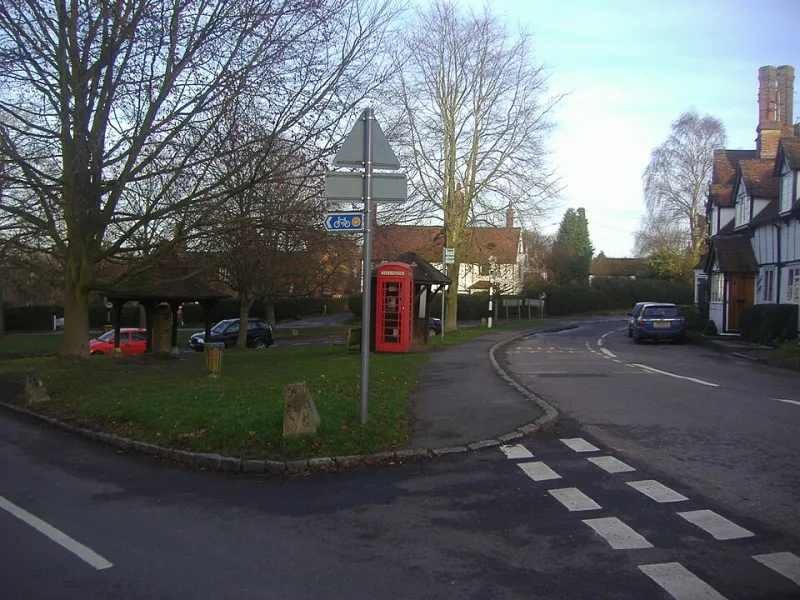
Leave time to stand still. Read a name. Notice the date. Then walk back through the village, past the house and the green, and see it a little differently. The stones have been doing this for centuries. They are not in a hurry, and neither should you be.