A Tudor Treasure in No Hurry: Chenies Manor House and the Quiet Art of Visiting
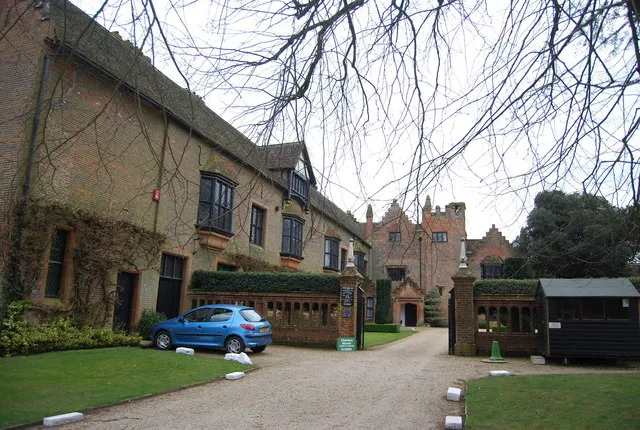
Photo: N Chadwick, CC BY-SA 2.0, via Wikimedia Commons
Some historic houses make you stand in a queue before you have even seen a fireplace. Chenies Manor House is not that kind of place. It sits at the edge of the village, all warm brick, steep roofs and garden walls, and it asks you to slow down rather than buy a lanyard. That is not a criticism. In a county with no shortage of stately homes, Chenies Manor is the Tudor gem Buckinghamshire keeps quiet — and it is all the better for it.
A house with layers, not a single story
The manor is Grade I listed and has medieval and Tudor roots, but it is not a frozen museum piece. The village takes its name from the Cheyne family, who held the manor in the medieval period. Later it passed into the hands of the Russell family, later Earls and Dukes of Bedford, whose influence shaped the church, the estate and much of the surrounding landscape. The house itself grew and changed over centuries, which is why it feels lived in rather than staged.
That layered history is part of the appeal. You are not walking through a single date. You are walking through a building that has been added to, adapted and handed down. The manor and the neighbouring church of St Michael belong together; the church, with its Bedford Chapel, holds monuments to the Russell family and tells the village's story as clearly as any interpretation board. Visit one without the other and you miss half the point.
Henry VIII, Anne of Cleves and the pull of legend
The manor's Tudor connections are what bring many people through the gate. Henry VIII is said to have visited, and the house is closely associated with Anne of Cleves, the fourth wife he divorced but treated generously. The stories have survived because they are good stories: a king on progress, a queen in exile, a courtier family keeping its head down and its roofs sound.
Historians can argue over the fine detail of who stayed when and in which room. That is part of the fun. The house carries those associations lightly, in room names and in the atmosphere of low ceilings and thick walls, rather than in a theatrical reconstruction. You do not need a costumed interpreter to imagine the Tudor court here. The building does enough on its own.
The gardens: formal bones, soft edges
The gardens are the other reason to come. They are not vast landscape gardens that take a day to cross. They are intimate, walled and formal in parts, with yew hedges, herbaceous borders and a sunken garden that feels like a secret. In spring there are bulbs; in summer the borders do the talking; in autumn the walls hold the last warmth. An old mulberry tree adds a suitably ancient note.
What makes the gardens work is their scale. You can see the whole thing in an afternoon and still feel you have not rushed. There is a well, there are paths that turn corners, and there are benches that invite you to sit rather than stride. For a village guide, that is the point: this is a garden to be in, not a garden to be ticked off.
Why it stays understated
Chenies Manor does not have a vast visitor centre, a branded adventure playground or a car park the size of a field. It opens selectively, it sits in a small village, and it relies on people finding it rather than being funnelled towards it. Some might call that old-fashioned. It is also why the place still feels like a village manor rather than a visitor attraction.
The house has been a family home, and that shows in the best way. Rooms are furnished rather than emptied, the gardens feel tended rather than interpreted, and the whole place has the slightly improvised air of somewhere that is opened because it is loved, not because it is marketed. In 2026, when so many days out are designed to move you efficiently from cafe to gift shop, that understatement is a genuine luxury.
How to visit without the crowds
First, check the 2026 opening dates and times before you travel. The manor opens seasonally and not every day, and details can change. Book ahead if the website asks you to; it is better than a wasted journey. Aim for a weekday if you can, and arrive early or late in the day rather than at the obvious lunchtime peak.
Special event weekends will be busier, especially in spring and around the festive season. If you want the house to yourself, avoid them. The manor is not huge, so two or three hours is plenty for the house and gardens, with time left for the church and a walk. Park considerately in the village and respect private drives and closed areas. This is a working village, not a theme park.
The manor in village life
What makes Chenies Manor unusual is how naturally it sits alongside ordinary village life. The church is next door, the pub is a short stroll away, and the footpaths lead down to the Chess Valley. You can combine a visit with a riverside walk and a pint, which is a very Buckinghamshire sort of day out.
The manor is not the village's only story, but it is the one that gives the place its shape. Its quietness is not an accident of geography; it is a choice. The house has survived by adapting, and the village has kept its scale. That balance is rare.
A quiet recommendation for 2026
Go without a checklist. See the house, sit in the garden, walk over to the church, and then take the lane down towards the valley. Chenies Manor does not shout for attention, and it does not need to. It is a Tudor treasure that Buckinghamshire keeps quiet, and the quiet is exactly what makes it worth the trip.