Kerbs, Gravel and a Careful Gradient: Chenies Without the Stiles
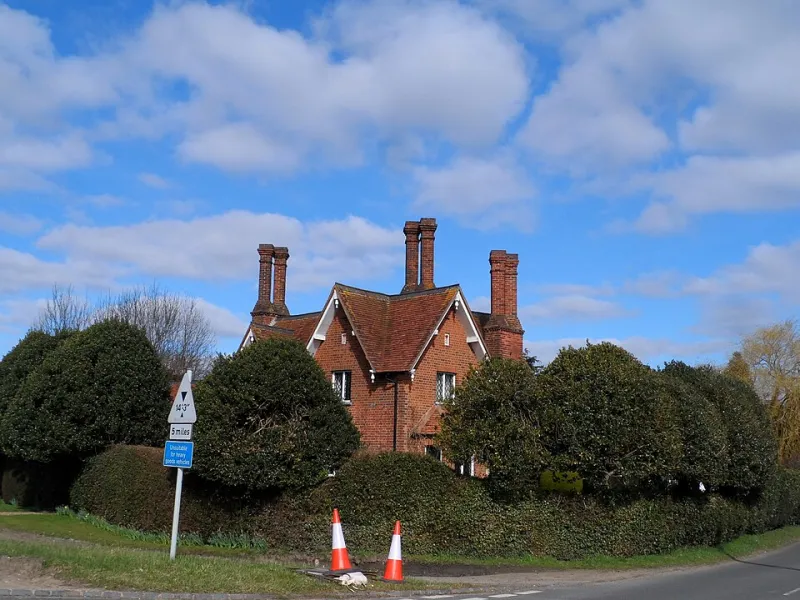
Photo: Bikeboy, CC BY-SA 2.0, via Wikimedia Commons
Chenies has a way of making a short walk feel like a proper outing. There is the green, the red-brick cottages, the lane down to the church, the manor gates and, beyond them, the Chess Valley falling away in that quiet Buckinghamshire manner. It is also a village built on a slope, with surfaces that change from tarmac to gravel to grass within a few dozen yards. So this is not a piece about whether Chenies is “accessible” in some absolute sense. It is a practical look at what works for wheels and what does not, based on a slow circuit of the obvious bits.
Start at the Green
The village centre is the fairest place to begin. The green itself is grass, which is fine in dry weather for a pushchair with decent tyres and hopeless after a wet week. Around it, the lanes are tarmac and generally quiet, but the footways are narrow in places and not always continuous. A mobility scooter can manage the road edges if you are prepared to share the carriageway at walking pace; a wheelchair user will notice the kerbs at junctions more than the distance.
Parking is the usual village arrangement: a small car park by the village hall and some roadside space near the green. Neither is a formal accessible bay with a guaranteed wide space, so arrive early if you need to open a car door fully or deploy a ramp. The village hall car park is the better bet for a level start, and from there it is a short push to the green.
Benches around the green give you natural pauses. They are not all on hard standing, but they are useful. The Bedford Arms is nearby if you need a sit-down, a drink and a loo — worth planning rather than hoping.
The Lane to the Church
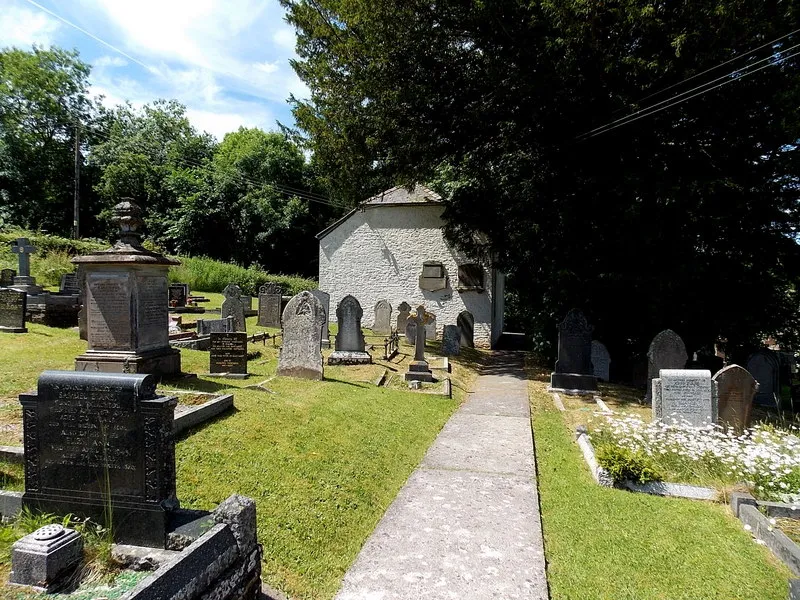
The lane down to St Michael's is the test piece. It starts as tarmac, narrows, and then gives way to gravel and patches of grass as you approach the churchyard. On a dry day, a sturdy pushchair or a confident scooter will get most of the way. A manual wheelchair needs a helper for the last stretch, and a powerchair will find the gravel slow going.
The churchyard itself is uneven. Paths are grassy in places, there are tree roots, and the gradient is gentle but persistent. The church door is not step-free in the modern sense — this is a historic building, and the threshold tells you so. If your aim is to see the churchyard and the exterior, you can do that with care. If your aim is to get inside without assistance, ring ahead and ask rather than assume.
The compensation is that this lane is one of the loveliest short approaches in the village. The hedges, the old brick, the sudden quiet — it is worth the effort even if the effort is greater for some than others.
The Manor Grounds
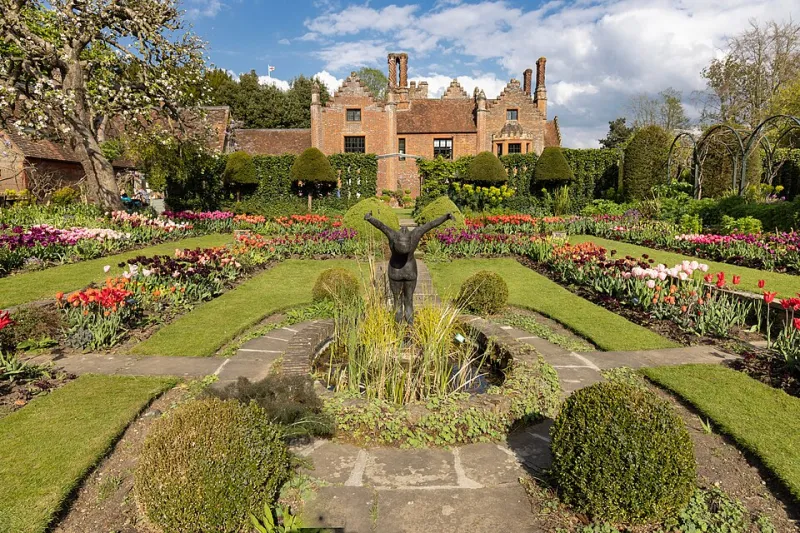
Chenies Manor has a gravel drive and garden paths that are mostly level near the house, with grass beyond. The gardens are the realistic target for wheels: gravel is manageable when dry, but it is not smooth tarmac, and a narrow-tyred pushchair will feel every stone. The house itself has steps at the entrance, as you would expect from a Tudor building. The gardens, tea room and grounds are the practical visit.
There are benches in the grounds, and the scale is compact enough that you can do a short loop rather than a full circuit. If the weather has been wet, ask at the gate about the state of the grass paths. That is not a fob-off; it is genuinely the difference between a pleasant hour and a muddy wrestle.
The Chess Valley Path
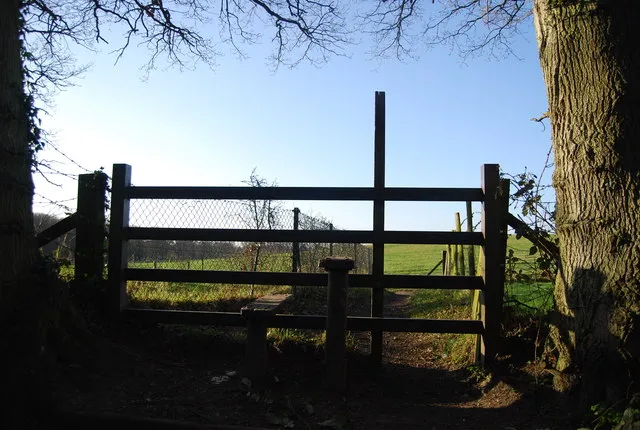
Here is the honest bit. The path down into the Chess Valley from Chenies is steep, uneven and, in places, narrow. It has roots, mud, and the kind of gradient that turns a gentle stroll into a calf workout. Stiles and gates appear on some sections. This is not a route to recommend for a wheelchair, a mobility scooter or a standard pushchair. It is a walking route, and it should be treated as one.
That does not mean wheels cannot enjoy the valley at all. The realistic alternative is to drive to a gentler access point and do a short out-and-back on a drier, wider section, or to stay on the ridge and enjoy the views from the lanes. The valley is beautiful, but it is not a level riverside promenade. Anyone who tells you otherwise has not tried it with a pushchair.
What Works, What Doesn't
The village green and the tarmac lanes around it are the most straightforward part of Chenies for wheels. The church lane is possible with assistance and dry weather. The manor grounds are a reasonable short visit, with gravel as the main caveat. The Chess Valley path is the barrier: steep, uneven and not designed for wheels.
The useful alternatives are simple. Do a short village-centre loop: village hall car park, green, lane to the church and back. Use the manor gardens as a separate outing rather than tacking them onto a valley walk. Save the valley for a day when you have the right footwear and the right company, or admire it from above.
Practical Notes
Bring a friend if you can. Chenies is not hostile, but it is old, and old villages are full of small negotiations — a kerb here, a gravel patch there. Check the weather. Gravel and grass behave very differently after rain. Plan your loo stop. The pub is your friend. And do not treat a short walk as a failure. In Chenies, a slow half-mile around the green, with a bench and a view, is a perfectly good afternoon.